Safety Service


Industrial Safety Management Services


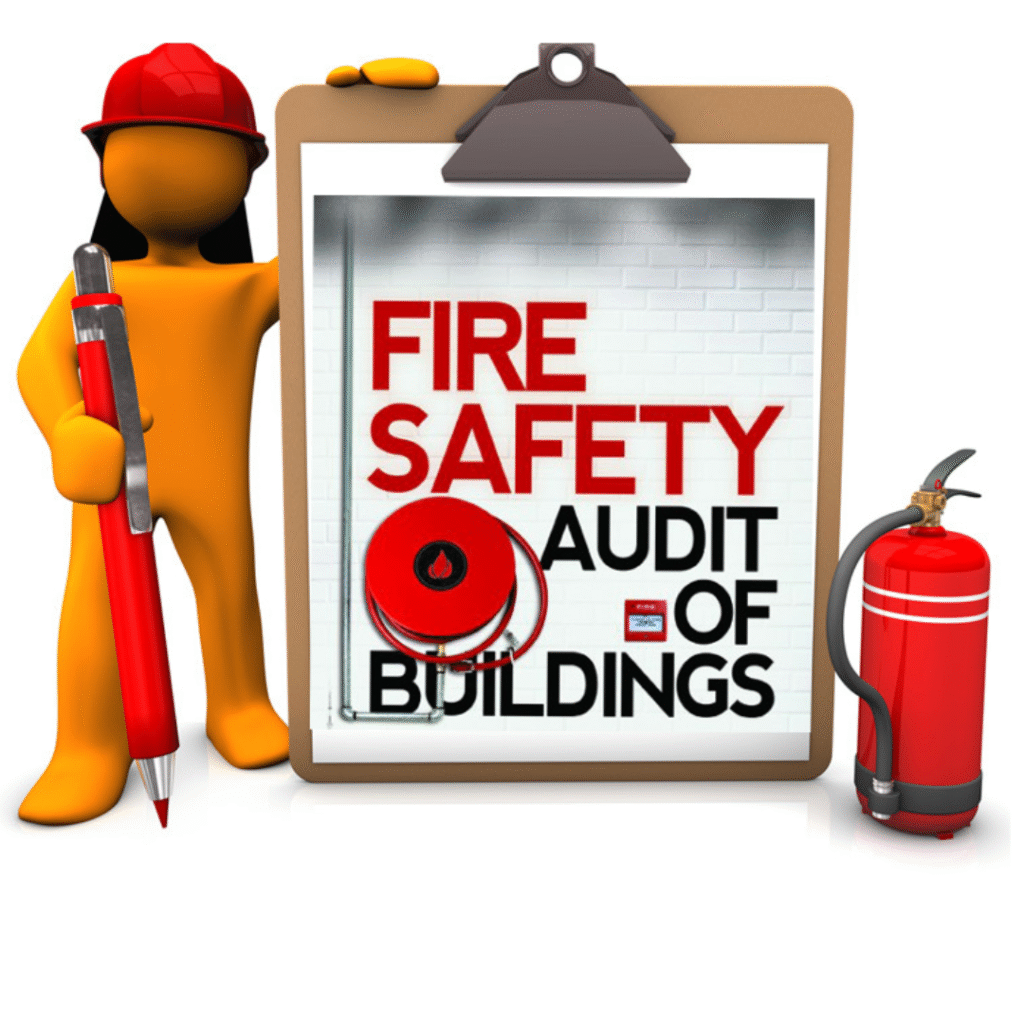
Behaviour based safetyFire Safety Audits as per TAC/NBC/UL-FM/Others

These are comprehensive assessments of fire safety measures in buildings or facilities, conducted according to standards set by various authorities like Tariff Advisory Committee (TAC), National Building Code (NBC), Underwriters Laboratories (UL), or Factory Mutual (FM)..


The audits evaluate fire prevention systems, emergency exits, alarm systems, and overall compliance with fire safety regulations, providing recommendations for improvements to ensure maximum protection against fire hazards.
3M Safety Philosophy (Man-Material-Machine)

This approach focuses on three key elements of workplace safety: the human factor (Man), the resources used (Material), and the equipment involved (Machine)..


It emphasizes that safety is achieved by addressing risks and implementing controls in all three areas simultaneously, ensuring a comprehensive approach to workplace safety management. Read More


Different System Safety Hazard Analysis

HIRA (Hazard Identification and Risk Assessment) Systematic process to identify workplace hazards and evaluate associated risks. Helps prioritize safety measures based on risk severity and likelihood.

HIRA (Hazard Identification and Risk Assessment)

A systematic process used to identify potential hazards, evaluate risks, and implement controls to prevent accidents and injuries.

Steps in HIRA:

  1. Identify potential hazards.
  2. Assess associated risks.
  3. Implement control measures.

HIRA is widely used in various industries, including process facilities and industrial operations, to enhance workplace safety.

HAZOP (Hazard and Operability Study) tructured technique to identify potential hazards in process systems. Uses guide words to examine deviations from normal operations.

HAZOP (Hazard and Operability Study)

A structured method used to identify potential hazards in industrial processes, ensuring operational safety and efficiency.

When is HAZOP used?

  1. During facility design and construction
  2. When adding or modifying processes.
  3. For compliance with regulatory safety requirements.

Industries Using HAZOP: Chemical, pharmaceutical, oil and gas, nuclear, and mining industries.

QRA (Quantitative Risk Assessment) Numerical estimation of risks associated with identified hazards. Provides quantitative data to support decision-making in risk management.

QRA (Quantitative Risk Assessment)

QRA evaluates the likelihood and severity of hazardous events, assigning numerical values to risks for informed decision-making.

Key Applications:

  1. Chemical processing industries.
  2. Oil and gas industries.
  3. Hazardous materials handling.

QRA helps organizations prioritize risk control measures, improve safety performance, and ensure compliance with industry regulations by providing a scientific basis for risk management decisions.

LOPA (Layer of Protection Analysis) Method to assess the adequacy of safeguards against identified risks. Evaluates multiple protection layers to determine overall risk reduction.

LOPA (Layers of Protection Analysis)

A risk assessment technique that evaluates whether existing safety measures are sufficient to reduce risk to an acceptable level.

How LOPA Works:

  1. Analyzes potential hazardous events.
  2. Assesses the effectiveness of protective layers.
  3. Determines if additional safeguards are required.

LOPA is often used with HAZOP to enhance risk management.

SIL (Safety Integrity Level) Classification system for safety instrumented systems. Defines the level of risk reduction required for a safety function.

SIL (Safety Integrity Level)

SIL measures the reliability and effectiveness of safety systems in reducing risks.

Key Points:

  1. Used in industries like oil and gas, chemical processing, and manufacturing.
  2. Categorized into levels (SIL 1 to SIL 4), with higher numbers indicating greater safety performance.
  3. Helps design and evaluate Safety Instrumented Systems (SIS) for industrial processes.

ETA (Event Tree Analysis) Graphical model of possible outcomes following an initiating event. Used to analyse the progression of scenarios and their consequences.

ETA (Event Tree Analysis)

A graphical method used to analyze the possible outcomes of an initiating event and assess the effectiveness of safety measures.

Applications:

  1. Nuclear power plants
  2. Oil and gas operations
  3. Aviation safety
  4. Chemical plants

Benefits:

  1. Helps identify risk mitigation strategies.
  2. Supports informed decision-making in safety planning.

FTA (Fault Tree Analysis) Top-down approach to identify causes of a specific undesired event. Uses Boolean logic to combine series of lower-level events.

FTA (Fault Tree Analysis)

A top-down method used to analyze system failures by identifying the root causes of an undesired event.

Industries Using FTA: Aerospace, nuclear energy, oil and gas, chemical processing, and manufacturing.

Key Benefits:

  1. Provides a structured way to assess failure causes.
  2. Helps design effective risk reduction measures.

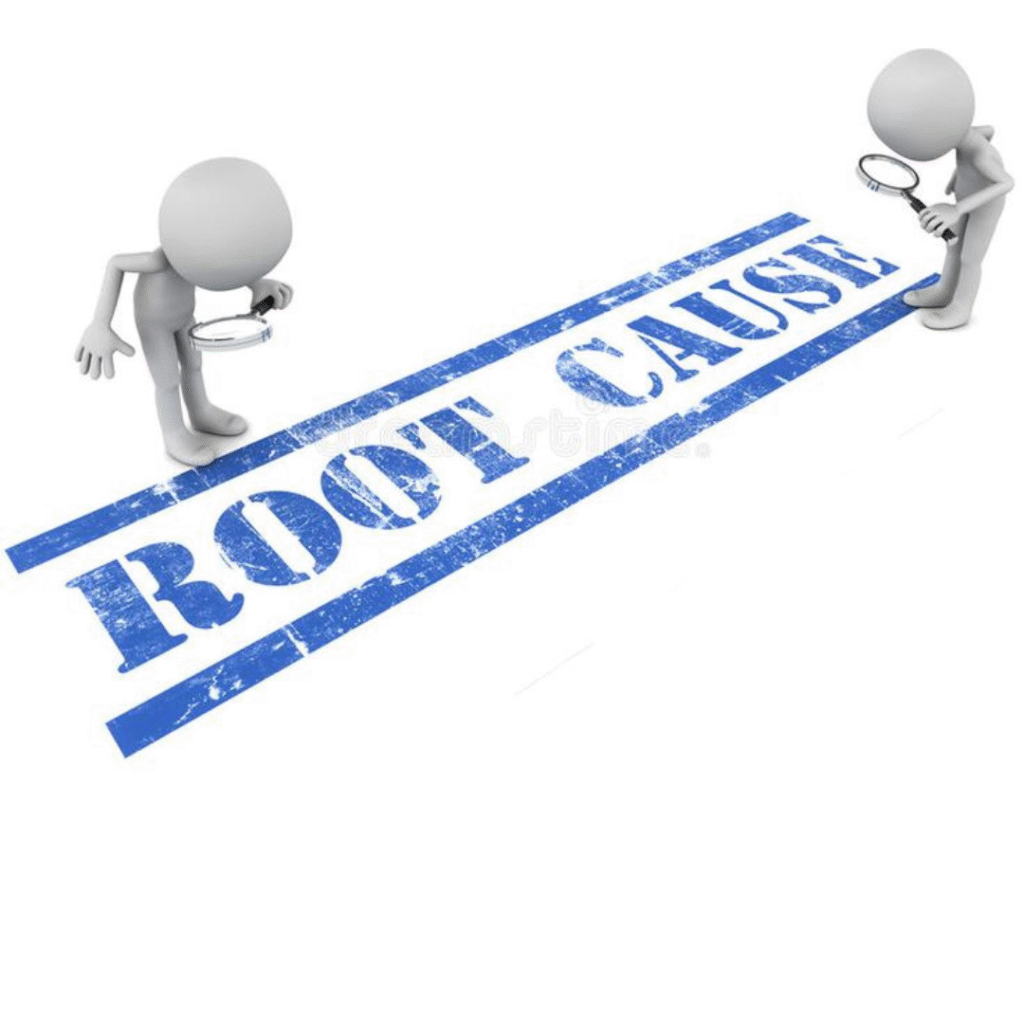
RCA (Root Cause Analysis) Method to identify the fundamental reasons for an incident or problem. Aims to prevent recurrence by addressing underlying causes.

RCA (Root Cause Analysis)

RCA is a problem-solving method used to identify the fundamental cause of an incident rather than just addressing surface-level symptoms.

Benefits of RCA:

  1. Prevents recurrence of incidents.
  2. Improves workplace safety culture.
  3. Identifies areas for system improvement.

FMEA (Failure Mode and Effects Analysis) Systematic approach to identify potential failures in a system or process. Assesses the impact of different failure modes and prioritizes improvements.

FMEA (Failure Mode and Effects Analysis)

A proactive risk analysis tool used to identify potential failures in products, processes, or systems before they occur.

When is FMEA used?

  1. In manufacturing, aerospace, and automotive industries.
  2. During early design or process development.

Why is FMEA important?

  1. Reduces product defects and process failures.
  2. Enhances reliability and compliance with safety standards.

JSA (Job Safety Analysis) Technique that focuses on job tasks to identify hazards before they occur. Defines safe procedures to eliminate or reduce hazards for specific jobs.

JSA (Job Safety Analysis) / JHA (Job Hazard Analysis)

A systematic process for identifying and controlling potential hazards in workplace tasks.

Key Steps:

  1. Break down the job into steps.
  2. Identify hazards associated with each step.
  3. Determine control measures to mitigate risks.

What-if Analysis Brainstorming technique to identify potential hazards and their consequences. Uses "What if" questions to explore possible deviations from normal operations.

What-If Analysis

A brainstorming method used to anticipate potential risks by asking “what if” questions about different scenarios.

Uses:

  1. HAZOP studies
  2. Job safety analysis
  3. Incident investigations

Why-Why Analysis Iterative interrogative technique to explore cause-and-effect relationships. Repeatedly asks "Why?" to drill down to root causes of problems.

Why-Why Analysis

A technique that involves repeatedly asking “why” to drill down to the root cause of an issue.

Purpose:

  1. Identifies the underlying reasons behind workplace incidents.
  2. Prevents future occurrences by addressing systemic issues.

PSSR (Pre-Startup Safety Review) Systematic check before starting up a new or modified process. Ensures all elements are in place for safe operation before commissioning.

PSSR (Pre-Startup Safety Review)

A review conducted before new or modified equipment/processes are put into operation to ensure safety measures are in place.

Key Steps:

  1. Identify trigger events requiring a PSSR.
  2. Build a review team.
  3. Conduct the assessment and track action items.

MOC (Management of Change) Process to ensure that safety, health, and environmental risks are controlled when a change is made. Applies to changes in equipment, procedures, materials, and personnel.

MOC (Management of Change)

A structured approach for managing safety risks associated with process, equipment, or personnel changes.

Key Steps in MOC:

  1. Identify and assess risks.
  2. Develop mitigation strategies.
  3. Implement and monitor changes.

ORI (Operational Readiness Inspection) Comprehensive review to ensure a facility is ready for safe operation. Typically conducted before initial startup or after major modifications.

ORI (Operational Readiness Inspection)

In safety, Operational Readiness Inspection (ORI) is a comprehensive evaluation of an organization’s safety procedures and readiness to respond to potential hazards. It is commonly used in military and aviation contexts to assess compliance and preparedness during formal inspections.

Key Points:

  1. Definition: ORI is a thorough assessment of safety practices and emergency preparedness.
  2. Application: Frequently conducted in military and aviation sectors to evaluate units’ operational readiness.
  3. Focus Areas: ORI examines compliance with safety regulations, training effectiveness, equipment functionality, and emergency response protocols.

TOR (Techniques of Operation Review) Systematic examination of operational procedures and practices. Aims to identify potential hazards and improve operational safety.

Technique of Operations Review (TOR)

Technique of Operations Review (TOR) is a systematic analysis method used to identify hazards and safety concerns in the workplace. It focuses on evaluating management practices, procedures, and work processes to prevent accidents by addressing root causes related to oversight and omissions rather than operator errors.

Key Points:

  1. Management-Centric: Unlike other methods that focus on worker actions, TOR emphasizes identifying flaws in management systems.
  2. Proactive Approach: Aims to detect potential hazards before accidents occur by analyzing planning, execution, and monitoring of work.
  3. Structured Analysis: Utilizes a review process with steps like “State,” “Trace,” “Eliminate,” and “Seek” to uncover underlying issues.

CSS (Critical Safety Systems) Identification and management of systems crucial for maintaining safety. Ensures high reliability and availability of key safety functions.

Critical Safety Systems (CSS)

The meaning of CSS in safety depends on the context. It can refer to different safety-related roles, certifications, or systems used to maintain workplace and operational safety.

Common Meanings of CSS:

  1. Certified Safety Specialist: A professional designation for individuals qualified to implement and manage safety programs. Recognition varies by region or organization.
  2. Construction Safety Specialist: A role focused on safety within the construction industry, often involving specialized certification and training.
  3. Critical Safety System: A system designed to prevent or mitigate major accidents, such as emergency shutdown mechanisms, fire suppression systems, or gas detection alarms.
  4. Chemical Safety Specialist: A professional with expertise in handling, managing, and controlling chemical hazards in the workplace.

How to Determine the Meaning of CSS:

  1. Context: The surrounding discussion can indicate the intended meaning.
  2. Industry: Different industries may use the term differently.
  3. Organization: Some companies have their own internal definitions.
  4. Clarification: When in doubt, asking for clarification helps avoid misinterpretation.

PSI (Process Safety Information) Compilation of written information about the hazards of materials and processes. Essential for understanding and managing process risks.

Process Safety Information (PSI)

PSI can have multiple meanings in safety:

  1. Pre-site Safety Inspection: A site assessment conducted before construction begins to identify potential hazards.
  2. Process Safety Information: A collection of data on the hazards of materials, process technology, and equipment, serving as the foundation of a Process Safety Management (PSM) program.
  3. Patient Safety Indicators: Healthcare metrics that track potentially avoidable safety events, such as complications during surgery, procedures, or childbirth.

Poka-Yoke based on THERP Error-proofing technique based on Technique for Human Error Rate Prediction. Designs systems to prevent or detect human errors before they cause harm.

Poka-Yoke in THERP

In THERP (Technique for Human Error Rate Prediction), Poka-Yoke refers to mistake-proofing mechanisms that prevent human errors by making mistakes impossible or immediately noticeable. This approach minimizes accidents and system failures.

Key Points:

  1. Origin: Developed by Shigeo Shingo within the Toyota Production System.
  2. Meaning: In Japanese, “Poka” means “mistake,” and “Yoke” means “to avoid.”
  3. Function: Poka-Yoke mechanisms either prevent an error from occurring or alert operators when an error is about to happen.

Example in THERP:

  1. Safety Interlock on a Machine: A mechanism preventing machine operation unless all safety guards are in place, ensuring compliance with safety procedures.

IPL (Independent Protection Layers) Concept of using multiple, independent safeguards to protect against hazards. Each layer acts independently to reduce overall risk.

Independent Protection Layers (IPL)

An Independent Protection Layer (IPL) is a safety measure designed to prevent a hazardous scenario from leading to an undesirable outcome. IPLs function independently of other safety systems and are widely used in Layers of Protection Analysis (LOPA) to reduce risks.

How IPLs Work:

  1. They prevent hazards from causing harm.
  2. They operate independently of other safety mechanisms.
  3. They reduce the likelihood and consequences of a hazard.
  4. They are essential in LOPA for risk mitigation.

Attributes of IPLs:

  1. Independence: Functions separately from other safety systems.
  2. Reliability: Designed to function consistently under expected conditions.
  3. Auditability: Regularly validated, maintained, and monitored for effectiveness.
  4. Security & Change Management: Ensures controlled modifications and secure operation.

BOW TIE Analysis Visual tool that depicts pathways between hazards, threats, consequences, and controls. Shows both preventive and mitigative measures in a single diagram.

Bowtie Analysis

A bowtie analysis is a visual risk assessment method that uses a diagram shaped like a bowtie to identify potential hazards, their causes (threats), the consequences that could occur, and the control measures (barriers) in place to prevent or mitigate those consequences. It provides a clear picture of how different factors interact in a risk scenario and is often used in high-risk industries such as manufacturing and oil & gas.

Key Points:

  1. Visual Representation: The bowtie diagram clearly separates the “top event” (the unwanted incident) into the causes (left side of the bowtie) and the potential consequences (right side), with control measures placed in between.
  2. Barrier Identification: The main focus is on identifying and evaluating the effectiveness of existing safety barriers (controls) that can prevent or mitigate the severity of an incident.
  3. Proactive and Reactive Controls: The analysis considers both proactive controls (preventing the incident from occurring) and reactive controls (minimizing the impact once an incident happens).
  4. Application Areas: Widely used in safety-critical industries to identify major accident hazards, assess risk levels, and prioritize mitigation strategies.

Ishikawa Analysis (Fishbone Diagram) Causal diagram that shows potential causes of a specific event or problem. Organizes contributing factors into major categories for systematic review.

Ishikawa Analysis (Fishbone Diagram)

An Ishikawa analysis, also called a fishbone diagram or cause-and-effect diagram, is a visual method used to identify the root causes of a problem by systematically listing potential contributing factors, categorizing them, and mapping their relationship to the main issue. It is named after its creator, Kaoru Ishikawa, a Japanese quality control expert.

Key Points:

  1. Visual Representation: The diagram resembles a fish skeleton, with the problem stated at the “head” and potential causes branching out like “bones” along the spine, representing different categories of causes.
  2. Brainstorming Tool: It is often used in brainstorming sessions to gather ideas about possible causes of a problem.
  3. Categorization: Causes are typically grouped into categories like manpower, materials, methods, environment, and machinery, often referred to as the “6 Ms”.
  4. Root Cause Identification: The goal is to drill down through the different categories to identify the most significant root causes contributing to the problem.

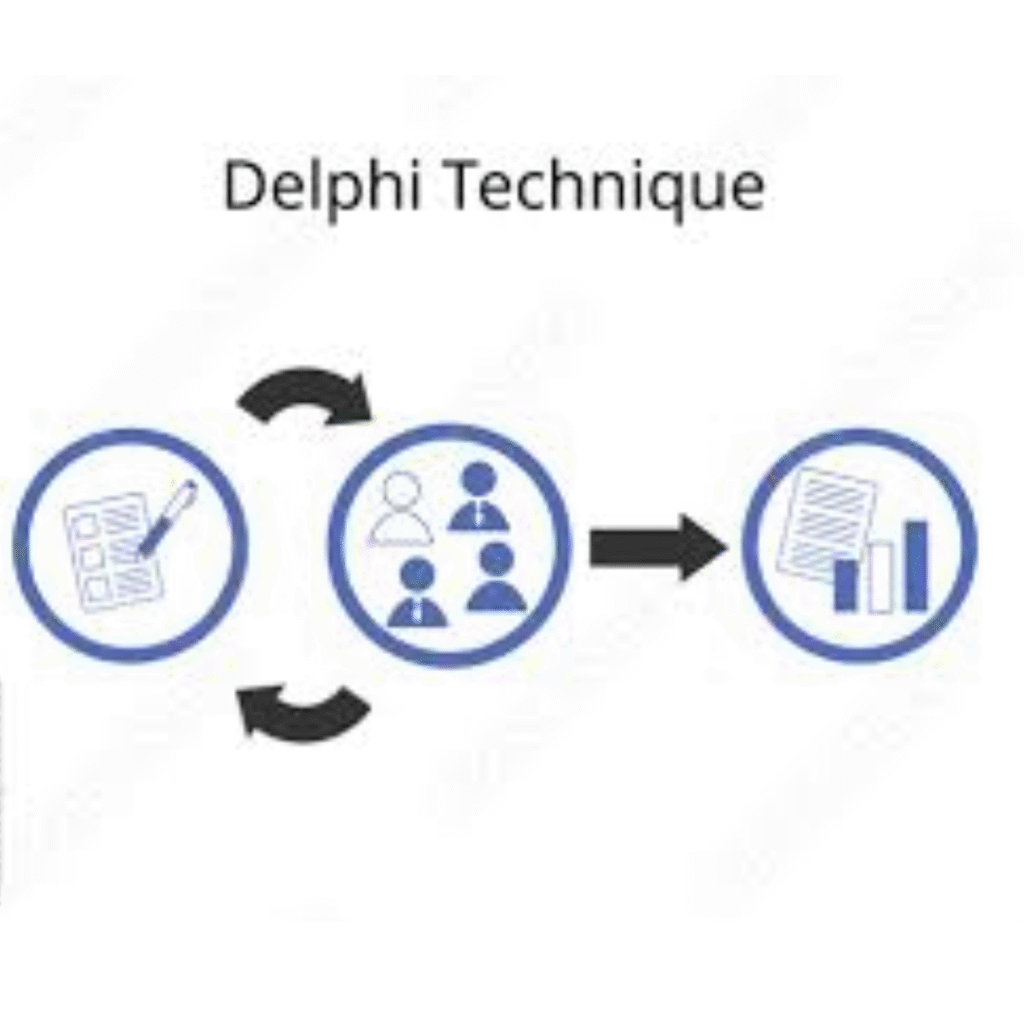
Delphi Technique Structured communication technique using a panel of experts. Aims to achieve consensus on complex safety issues through iterative questioning.

Delphi Technique

In safety, the Delphi technique refers to a method of gathering expert opinions on potential risks or hazards by conducting multiple rounds of anonymous questionnaires, where experts provide feedback on each other’s responses to gradually reach a consensus on the most critical safety concerns, without being directly influenced by others’ opinions. It is a structured way to collect collective knowledge from experts to identify and prioritize safety issues.

Key Points:

  1. Expert Panel: A group of individuals with relevant expertise in the field are selected to participate.
  2. Anonymous Feedback: Experts provide their opinions through questionnaires without revealing their identity, minimizing bias from dominant personalities.
  3. Iterative Process: Multiple rounds of questionnaires are conducted, where experts can review the aggregated feedback from previous rounds and adjust their opinions accordingly.
  4. Facilitator Role: A facilitator manages the process, collecting responses, summarizing results, and distributing feedback to the panel.

Applications in Safety:

  1. Hazard Identification: Identifying potential hazards within a workplace or system by collecting expert opinions on potential risks.
  2. Risk Assessment: Evaluating the severity and likelihood of identified hazards by utilizing expert judgments.
  3. Prioritization of Safety Measures: Determining which safety interventions to focus on based on the collective expert assessment.

Scenario Analysis Process of analysing possible future events by considering alternative possible outcomes. Helps in preparing for various potential safety scenarios.

Scenario Analysis

In safety management, scenario analysis refers to a proactive method of identifying and evaluating potential hazardous situations by creating hypothetical scenarios and assessing the likelihood and severity of potential accidents or incidents. It allows preventive measures to be implemented based on predicted scenarios.

Key Points:

  1. Forward-looking Approach: Unlike traditional risk assessments that focus on past incidents, scenario analysis looks ahead to anticipate potential future events.
  2. “What-if” Analysis: The core principle is to consider various "what if" scenarios to identify potential hazards that might not be readily apparent under normal operations.
  3. Multiple Scenarios: A range of scenarios are considered, including best-case, worst-case, and most likely scenarios to gain a comprehensive view of potential risks.
  4. Qualitative and Quantitative Elements: Scenario analysis can involve both qualitative assessments and quantitative analysis, such as estimating probability and severity.

Example Scenarios in Safety Management:

  1. Industrial Setting: What if a critical piece of machinery suddenly malfunctions during operation?
  2. Chemical Plant: What if a chemical leak occurs due to a pipe failure?
  3. Construction Site: What if a heavy object falls from a high elevation during lifting operations?

Benefits of Scenario Analysis:

  1. Proactive Risk Identification: Helps identify potential hazards that might be overlooked in routine safety checks.
  2. Targeted Mitigation Strategies: Enables the development of specific preventive measures tailored to address the identified scenarios.
  3. Decision-making Support: Provides valuable information to inform safety decisions and resource allocation.

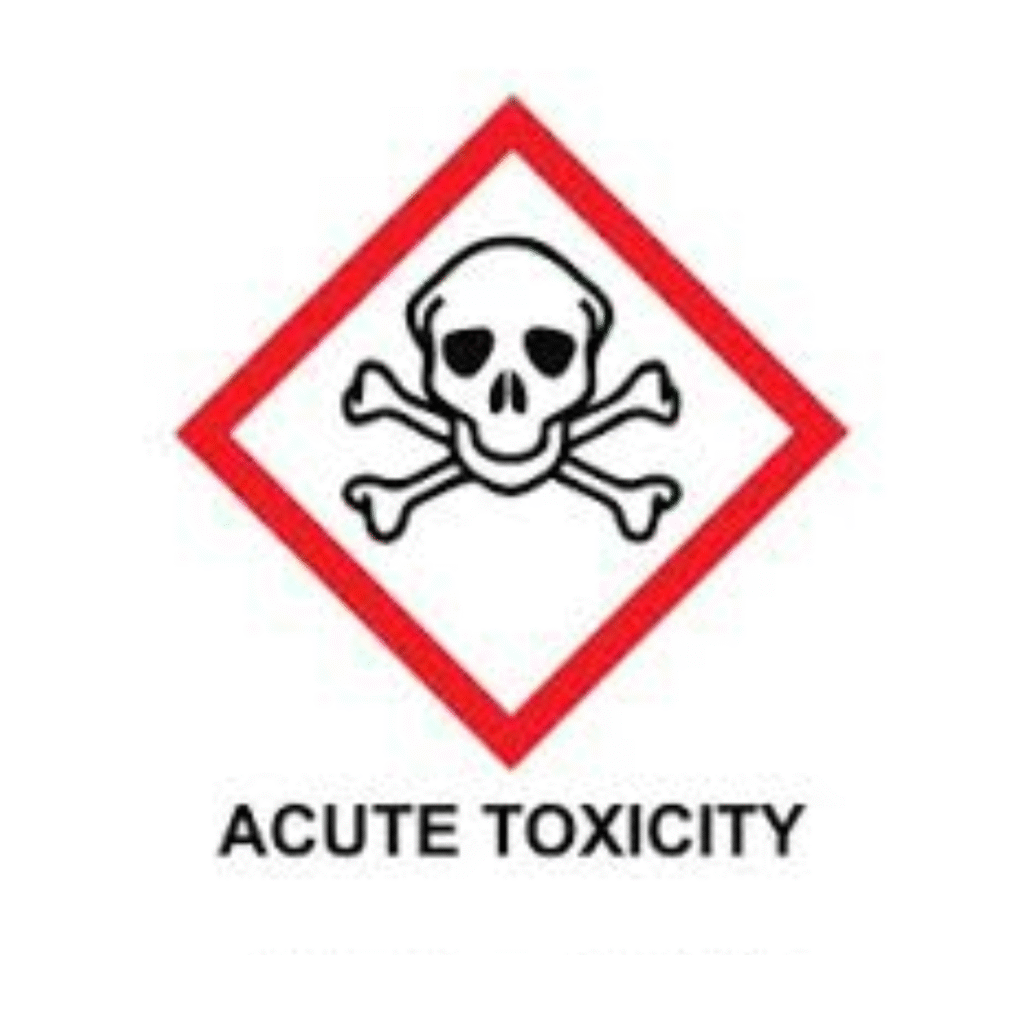
Toxicity Assessment Evaluation of the harmful effects of chemicals on living organisms. Crucial for determining safe exposure levels and protective measures.

Toxicity Assessment

A toxicity assessment refers to the process of evaluating the potential harmful effects of a substance by determining the dose-response relationship and identifying the likelihood of those effects occurring with exposure to that substance. It is an analysis of how toxic a substance is and the potential harm it can cause under different exposure levels.

Key Points:

  1. Purpose: To understand the potential health risks associated with exposure to a chemical or substance.

Components:

  1. Hazard Identification: Identifying the types of toxic effects a substance can cause, such as cancer, reproductive toxicity, or organ damage.
  2. Dose-Response Assessment: Establishing the relationship between the amount of a substance and the severity of its effects.
  3. Exposure Assessment: Estimating the level and duration of human exposure to the substance.

Methods:

  1. Animal Studies: Conducting experiments on animals to observe the effects of different doses of a substance.
  2. In Vitro Studies: Using cell cultures to study the toxicity of a substance at the cellular level.
  3. Epidemiological Studies: Analyzing data from human populations to identify associations between exposure to a substance and health effects.

HACCP (Hazard Analysis and Critical Control Points) Systematic approach to food safety, identifying critical points in production. Focuses on prevention of hazards rather than finished product inspection.

Hazard Analysis and Critical Control Points (HACCP)

HACCP is a food safety management system that identifies and controls biological, chemical, and physical hazards to ensure food safety.

How HACCP Works:

  1. Identify hazards.
  2. Determine Critical Control Points (CCPs).
  3. Establish limits for CCPs.
  4. Monitor CCPs.
  5. Take corrective actions when CCPs are compromised.
  6. Verify that the system is functioning effectively.
  7. Maintain proper records and documentation.

Origins of HACCP:

  1. Developed in the United States in the 1960s as a science-based approach to food safety.

Where HACCP Is Used:

  1. Primarily in the food industry to ensure safety in food production and handling.
  2. Also applied in cosmetics and pharmaceuticals for quality and safety control.

ALARP (As Low as Reasonably Practicable) Principle that risks should be reduced to a level that is as low as reasonably achievable. Balances risk reduction against time, trouble, and cost of further reduction.

As Low as Reasonably Practicable (ALARP)

ALARP is a risk management principle used in health and safety to ensure that risks are minimized as much as is reasonably possible without incurring excessive cost, time, or effort.

Key Points About ALARP:

  1. Meaning: Risks should be reduced to the lowest reasonable level without taking disproportionately extreme measures.
  2. Application: Used in risk assessments to determine if additional safety measures are necessary.
  3. Balance Between Cost & Benefit: Ensures that risk reduction efforts are justifiable and practical.

Static Charge Control Measures to prevent accumulation and discharge of static electricity. Important in environments where static sparks could ignite flammable materials.

Static Charge Control

Static charge control involves managing and preventing the buildup of static electricity to avoid potential sparks, damage to sensitive equipment, or fire hazards.

Why Static Charge Control Matters:

  1. Static electricity occurs when electrons transfer between materials during contact, creating positive and negative charges.
  2. In industries like electronics, healthcare, and industrial manufacturing, uncontrolled static charges can damage sensitive components, attract dust and contaminants, and ignite flammable materials in hazardous environments.

Methods of Static Charge Control:

  1. Grounding: Connecting conductive materials to the earth to discharge static buildup.
  2. Antistatic Materials: Using specially treated materials to promote charge dissipation.
  3. Humidity Control: Maintaining moderate humidity to neutralize static charges.
  4. Ionization: Using ion-generating devices to neutralize charges in the air.
  5. Conductive Flooring & Work Surfaces: Providing pathways for static dissipation.

Sneak Analysis Method to identify unexpected paths or logic flows in a system. Helps detect hidden design flaws that could lead to unintended system behaviour.

Sneak Analysis

Sneak analysis is a systematic method for identifying hidden design flaws in safety-critical systems. It uncovers unintended interactions that could cause unexpected behaviors even when components function properly.

Key Points About Sneak Analysis:

  1. Focus on Latent Issues: Unlike failure analysis, it identifies hidden system paths that may cause unintended outcomes.
  2. Identifying Hidden Paths: Examines system connections to detect “sneak paths” leading to unexpected results.
  3. Application in Safety-Critical Systems: Used in aviation, nuclear power, and medical devices where hidden failures can be catastrophic.
  4. Manual or Computer-Aided: Can be conducted manually through system reviews or with specialized software for analysis.

CCA (Cause Consequences Analysis) Combines fault tree and event tree analysis. Links causes and consequences of potential incidents in a single diagram.

Cause-Consequence Analysis (CCA)

Cause-Consequence Analysis (CCA) is a risk assessment technique that maps the causes of system failures and their potential consequences. It integrates Fault Tree Analysis (FTA) and Event Tree Analysis (ETA) to provide a structured understanding of system risks.

Key Points About CCA:

  1. Purpose: Helps predict and mitigate accidents or failures by identifying their root causes.
  2. Methodology: Analyzes failure chains to determine where preventative measures can be implemented.
  3. Applications: Used in engineering, aviation, nuclear power, and process safety industries.
  4. Visual Representation: Often depicted in a Cause-Consequence Diagram to illustrate failure relationships.

Machine Analysis Evaluation of machinery to identify potential hazards and safety issues. Includes assessment of guards, controls, and operational procedures.

Machine Analysis

Machine analysis is a systematic evaluation of machinery to identify hazards, assess risks, and implement safety controls to minimize injury risks.

Key Aspects of Machine Analysis:

  1. Hazard Identification: Examines mechanical, electrical, and operational risks, such as moving parts and pinch points.
  2. Risk Assessment: Evaluates the severity and likelihood of hazards to determine appropriate safety measures.
  3. Control Measures: Implements safety solutions such as guarding, interlocks, warning systems, and training.

Why Machine Analysis is Important:

  1. Prevents Accidents: Reduces the likelihood of workplace injuries.
  2. Ensures Compliance: Meets regulatory safety standards.
  3. Improves Safety Culture: Encourages proactive hazard management.

Arc Flash Analysis Study of potential electrical arc flash hazards in electrical systems. Determines safe working distances and personal protective equipment requirements.

Arc Flash Analysis

An Arc Flash Analysis evaluates the potential energy release from an electrical arc flash event to identify high-risk areas and determine necessary safety precautions.

Key Points About Arc Flash Analysis:

  1. Purpose: Assesses the potential severity of arc flash incidents by calculating incident energy at various points in an electrical system.

Factors Considered:

  1. Fault current levels.
  2. Protective device clearing times.
  3. System voltage and equipment configuration.

Safety Implications:

  1. Determines the appropriate Personal Protective Equipment (PPE).
  2. Helps establish safe work distances and procedures.

Who Conducts It:

  1. Typically performed by qualified electrical engineers using specialized software.

Power System Study Comprehensive analysis of electrical power systems, including load flow and short circuit analysis. Ensures proper design and operation of electrical systems for safety and reliability.

Power System Study

A Power System Study analyzes an electrical system’s performance, reliability, and safety under normal and fault conditions. It uses mathematical models and simulations to evaluate system behavior.

Key Points About Power System Studies:

  1. Purpose: Optimizes power system design, efficiency, and reliability.

Study Components:

  1. Load Flow Study: Assesses power distribution under normal conditions.
  2. Short Circuit Study: Calculates fault currents during electrical failures.
  3. Motor Starting Study: Evaluates the impact of starting large motors on the system.
  4. Transient Stability Study: Determines system recovery ability after major disturbances.
  5. Harmonic Analysis Study: Identifies and mitigates harmonic distortions in power systems.

Benefits:

  1. Improves system reliability.
  2. Identifies potential safety hazards.
  3. Enhances system planning and cost efficiency.

Designing, Inspection & Installation


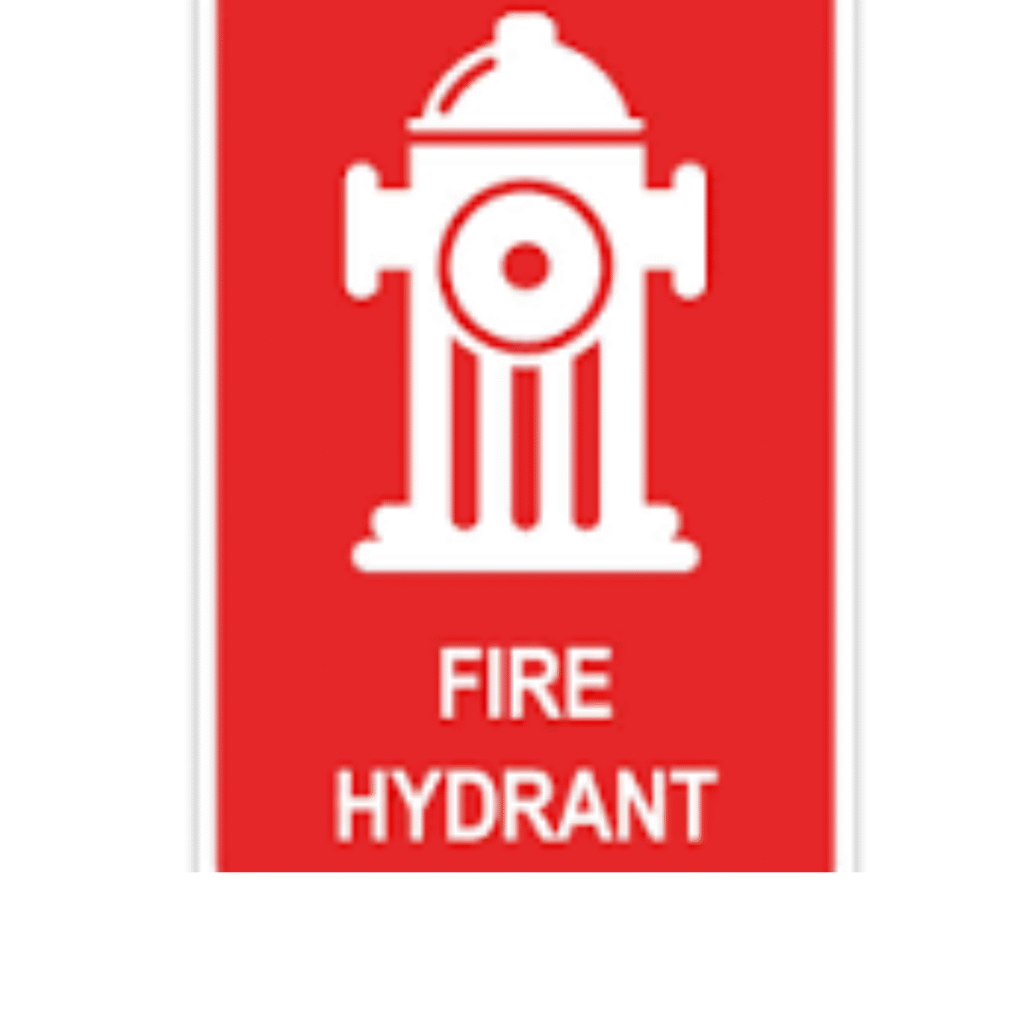
Fire Hydrant (IS13039:1991)

Water supply system for firefighting, designed as per Indian Standard. Involves strategic placement of hydrants, proper water pressure, and access for fire trucks.


Regular inspection and maintenance ensure readiness for emergencies.


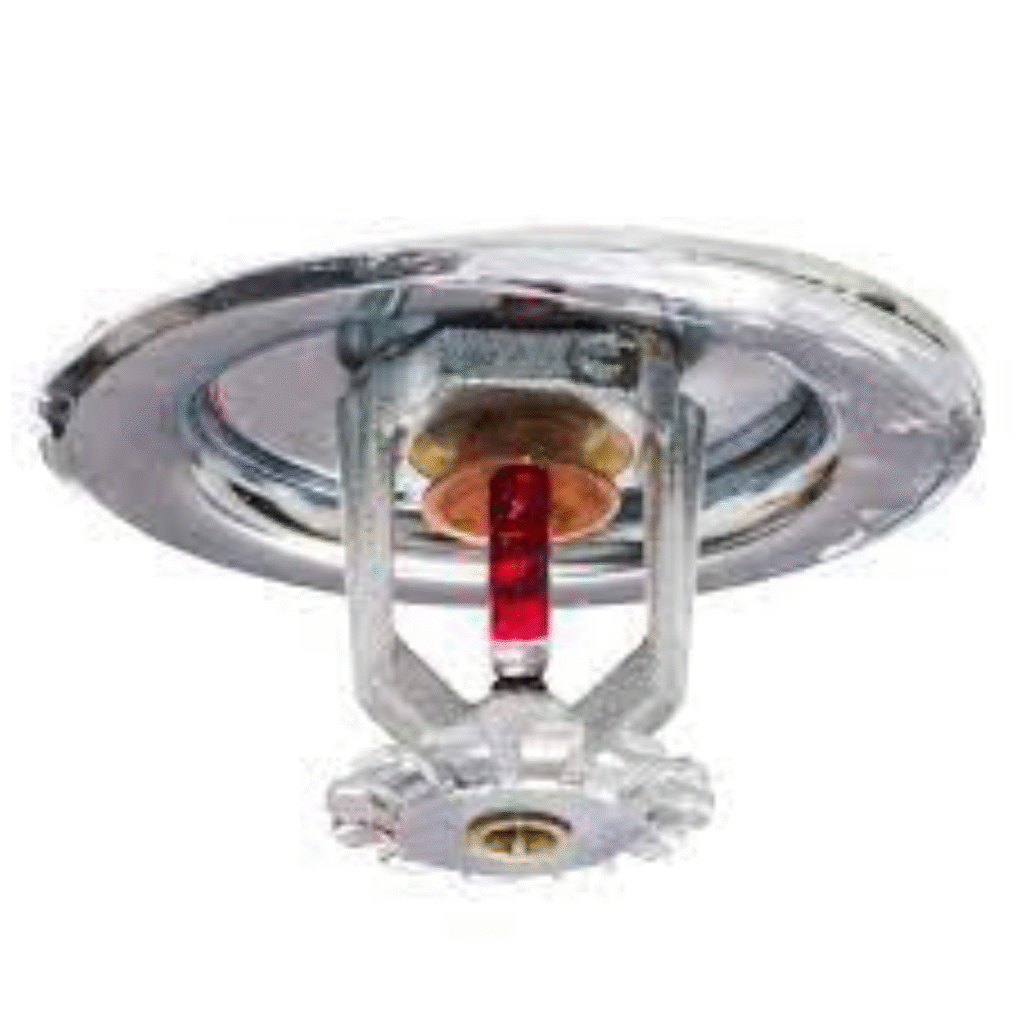
Sprinkler System

Automatic fire suppression system that releases water when heat is detected.


Design considers coverage area, water supply, and specific hazards of the space.

Requires periodic testing and inspection to ensure proper functionality.


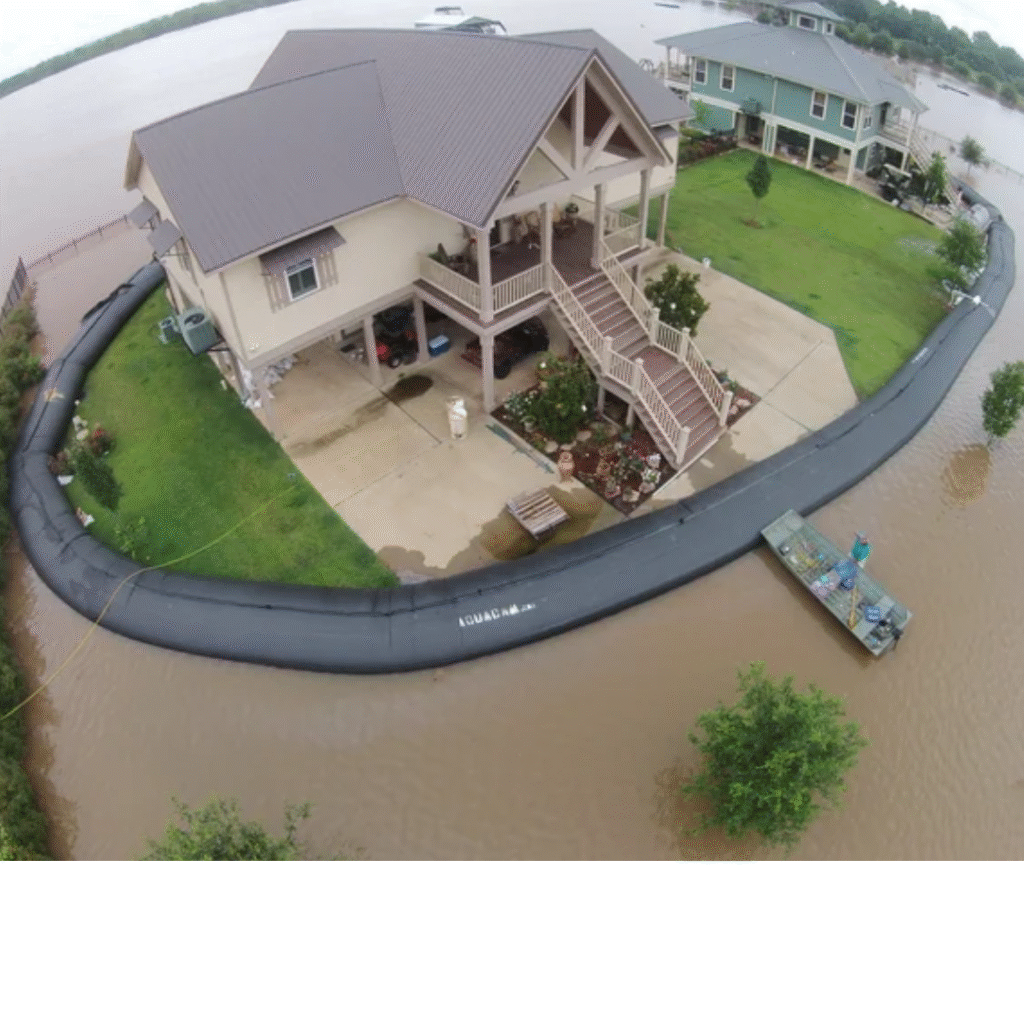
Flooding System

Typically used in areas with high-value equipment or special hazards.


Rapidly floods an entire area with fire suppressant (water, foam, or gas).

Design must consider room sealing, drainage, and potential damage from suppressant.


Smoke Detectors

Smoke Detectors

Early warning devices that detect presence of smoke particles in the air.


Placement is crucial for effective coverage and timely alarm activation.


Regular testing and battery replacement (for battery-operated units) are essential.


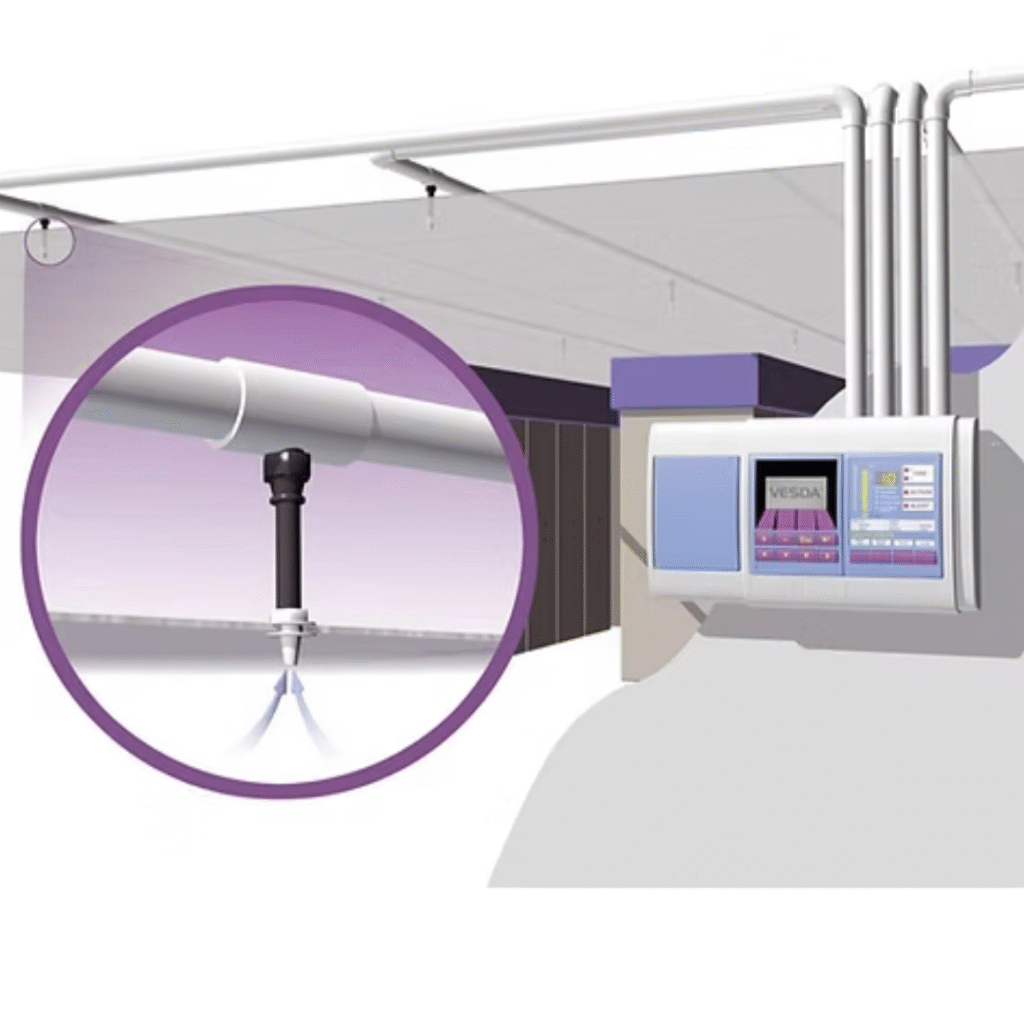
VESDA (Very Early Smoke Detection Apparatus)

VESDA (Very Early Smoke Detection Apparatus)

Highly sensitive air sampling system for detecting smoke at very early stages.


Uses network of pipes to continuously sample air from protected area.


Ideal for critical facilities where early warning is crucial.


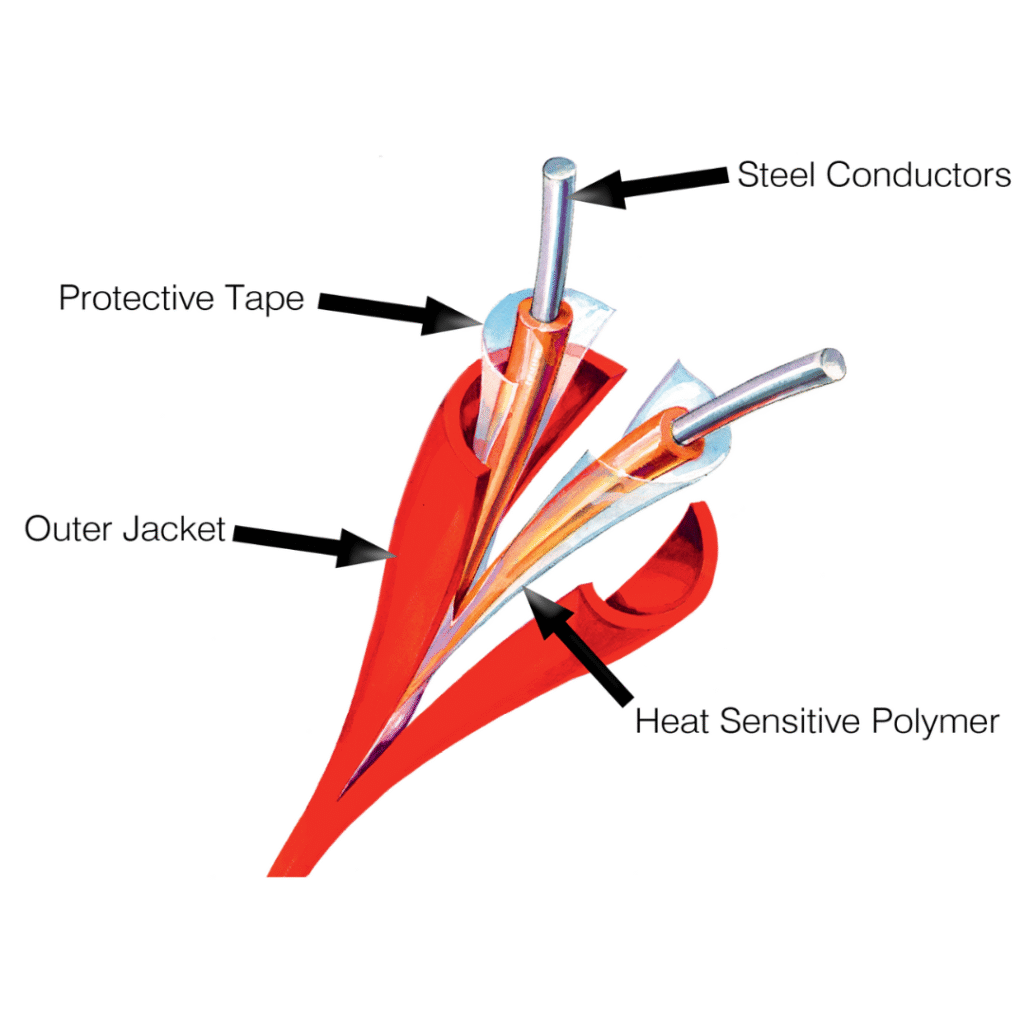
LHS (Linear Heat Sensing) Cables

LHS (Linear Heat Sensing) Cables

Continuous heat detection along the entire length of the cable.


Useful in areas where point detectors may not be effective or practical.


Requires careful installation to ensure proper coverage and sensitivity.


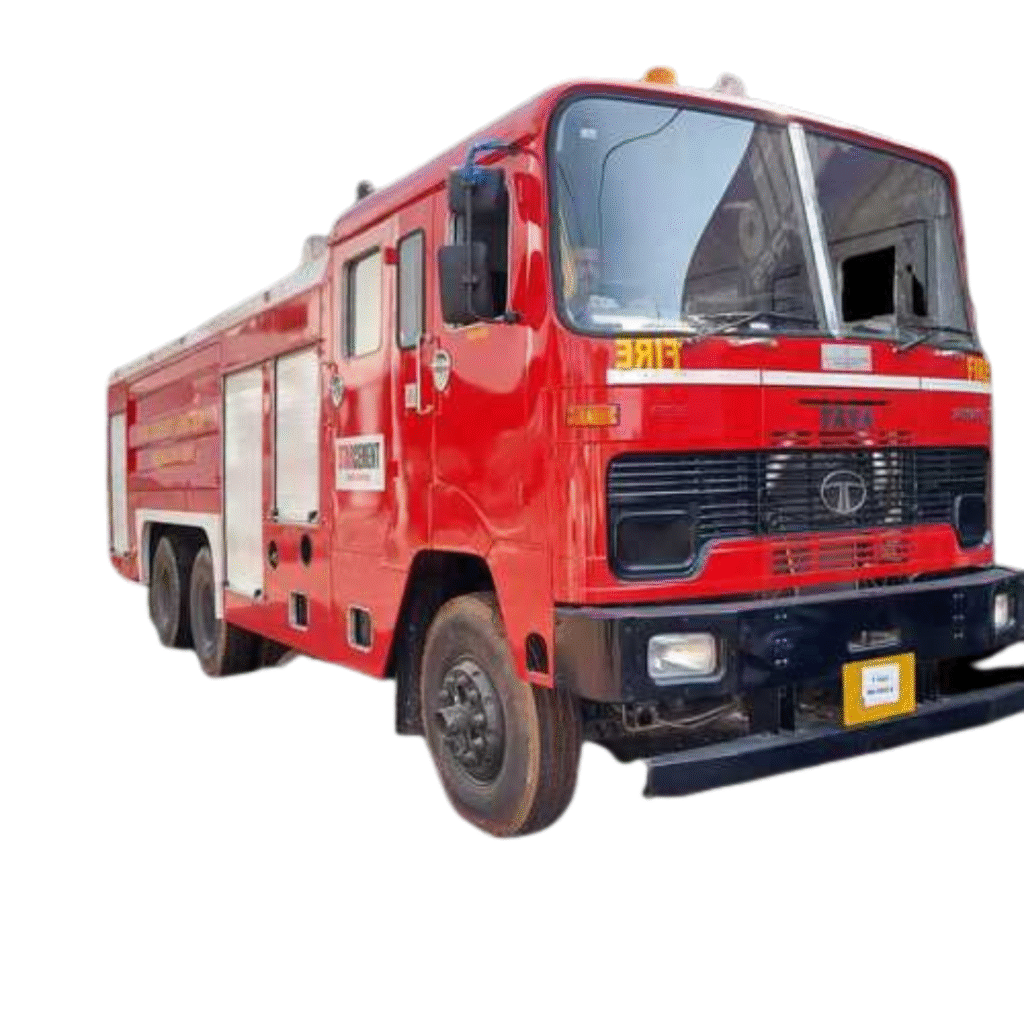
Fire Tender

Fire Tender

Specialized vehicle equipped with firefighting equipment and water supply.


Design considers water capacity, pumping ability, and equipment storage.


Regular maintenance and crew training are essential for effective response.


SCBA (Self-Contained Breathing Apparatus)

SCBA (Self-Contained Breathing Apparatus)

Provides breathable air in hazardous environments.


Design focuses on air supply duration, weight, and user comfort.


Requires regular inspection, testing, and user training.


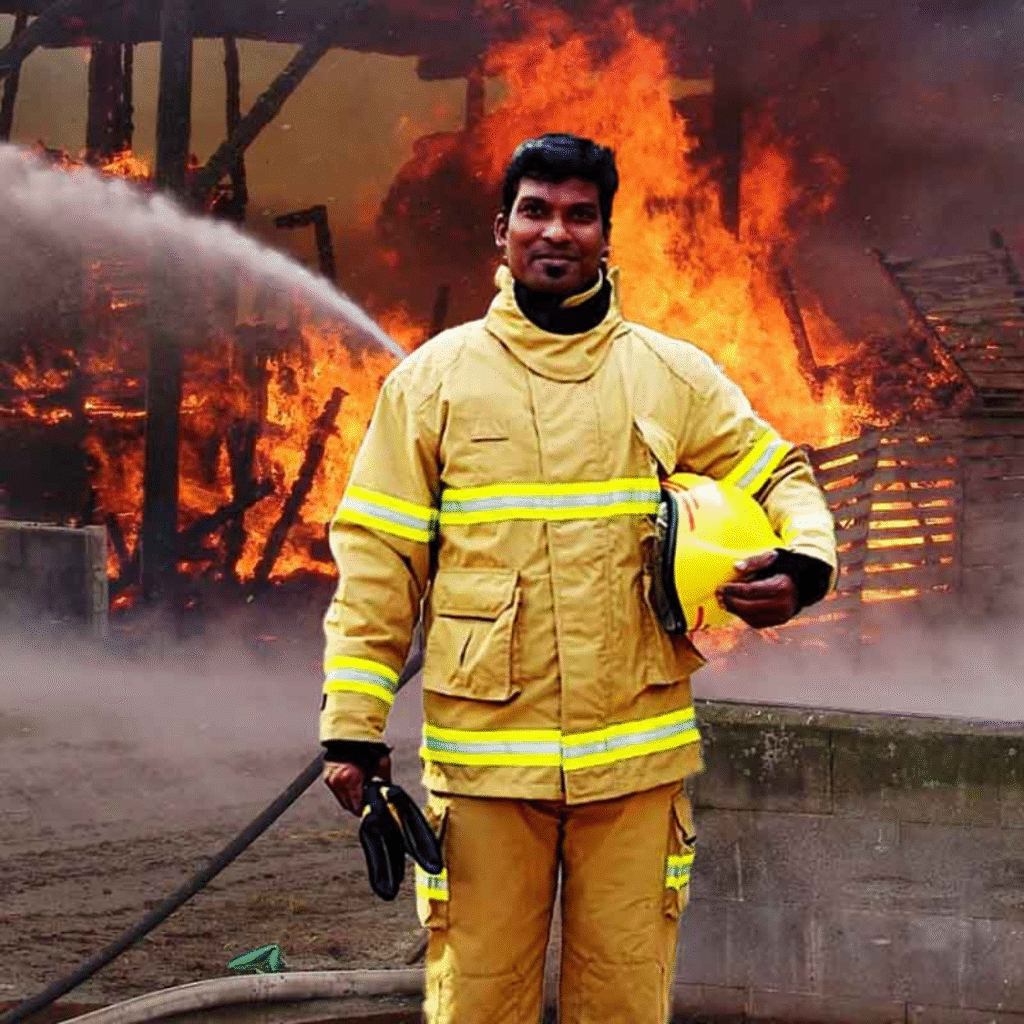
Fire Suits

Fire Suits

Protective clothing for firefighters, designed to withstand high temperatures.


Includes multiple layers for thermal protection and moisture management.


Regular inspection for damage and proper cleaning are crucial for effectiveness.


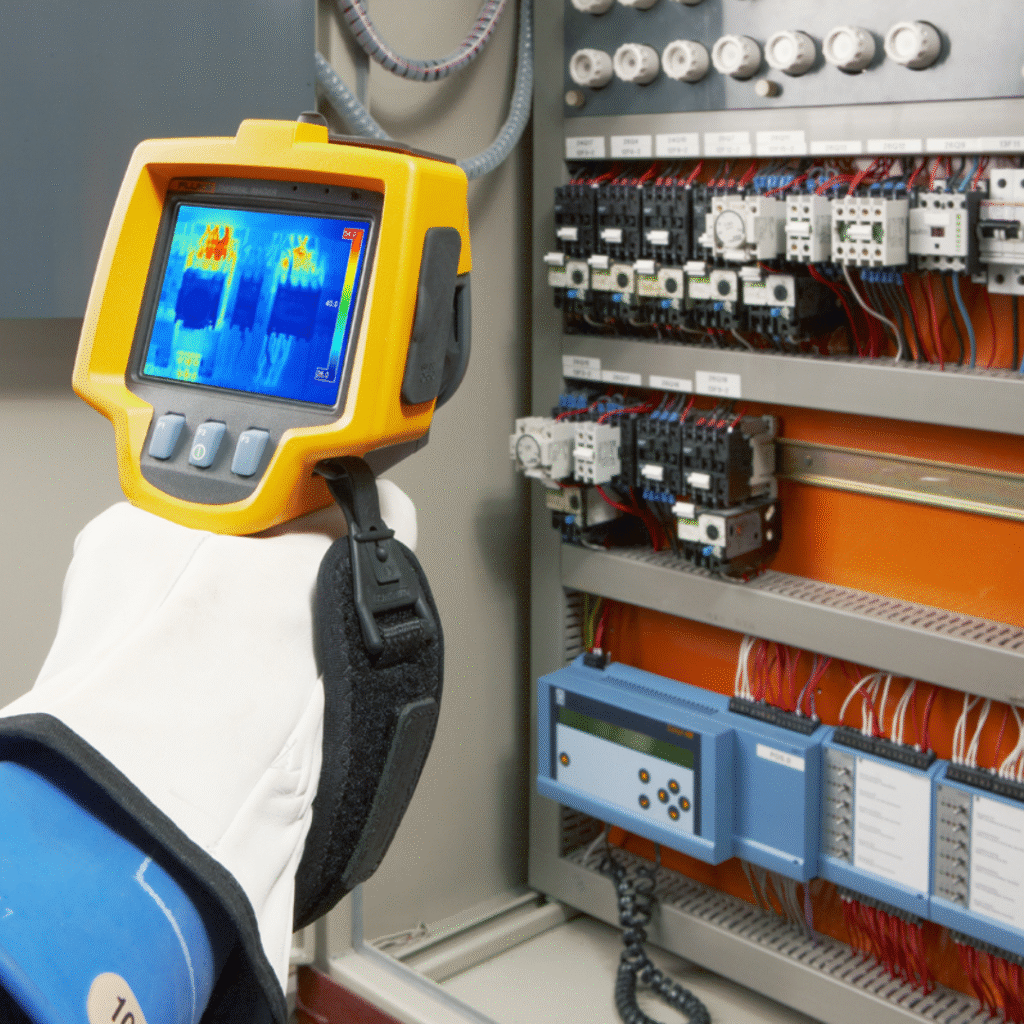
Thermography Study (Infra-red scanning)

Thermography Study (Infra-red scanning)

A non-destructive testing method using infrared cameras to detect temperature variations in equipment or structures.


Identifying potential issues before they lead to failures.


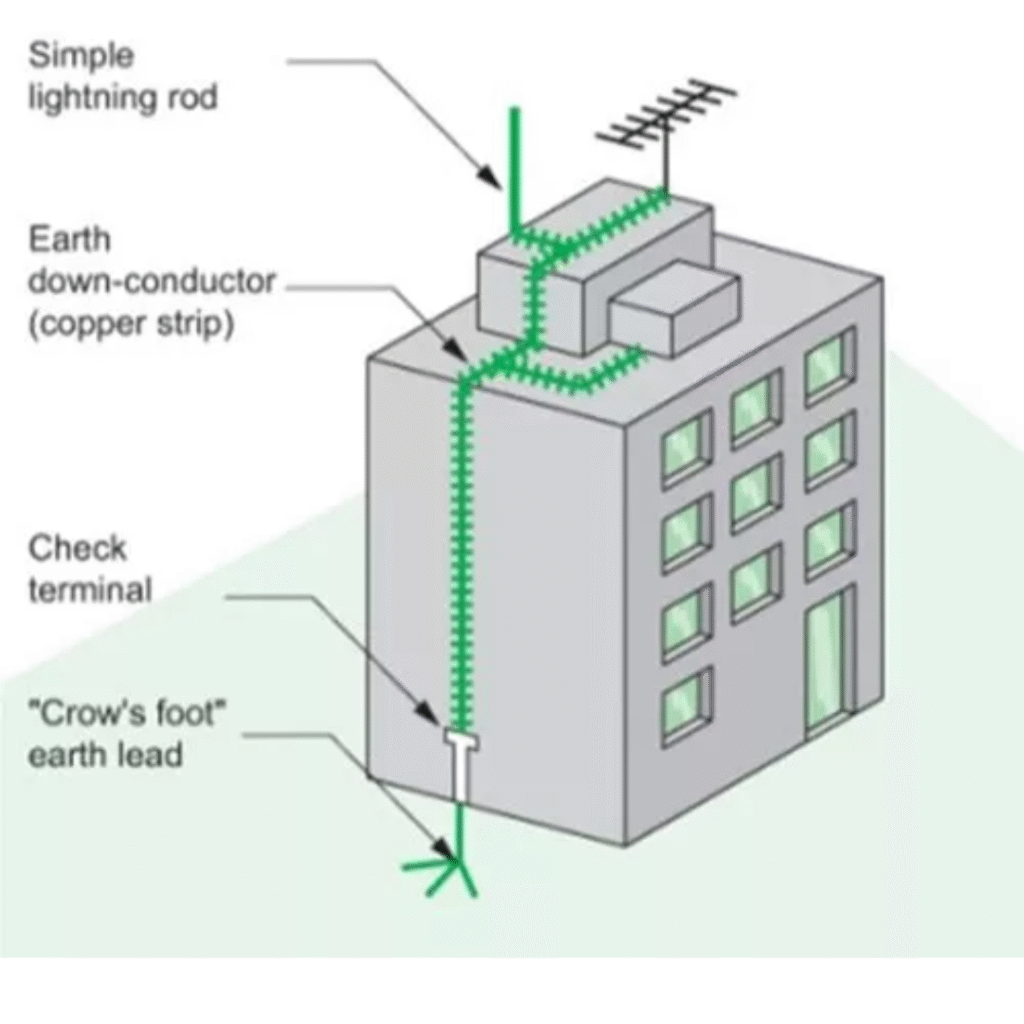
Lightning Protection Study

Lightning Protection Study

An assessment of a facility's vulnerability to lightning strikes.


The design of appropriate protection systems to safeguard structures, equipment, and personnel.


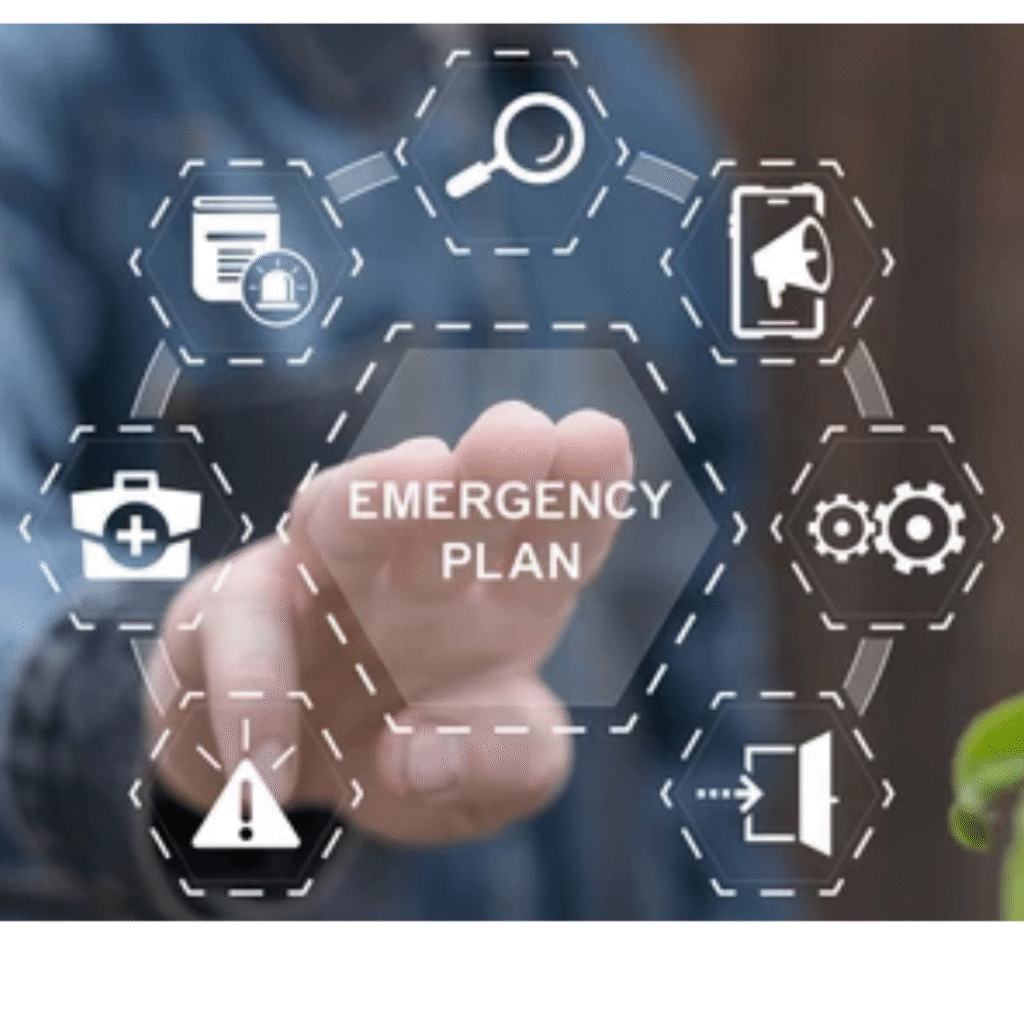
Emergency Preparedness & Planning

Emergency Preparedness & Planning

The process of developing and maintaining plans for responding to potential emergencies or disasters.


Ensuring quick and effective action to minimize impact and protect lives and assets.


Production Lines Safety Audit

Production Lines Safety Audit

A systematic examination and evaluation of safety measures, practices, and compliance in manufacturing processes.


To identify hazards and improve overall safety.


Chemical Process Safety Audit

Chemical Process Safety Audit

A comprehensive review of safety systems and procedures in chemical handling and processing operations.


Focusing on preventing accidents and managing hazardous materials.


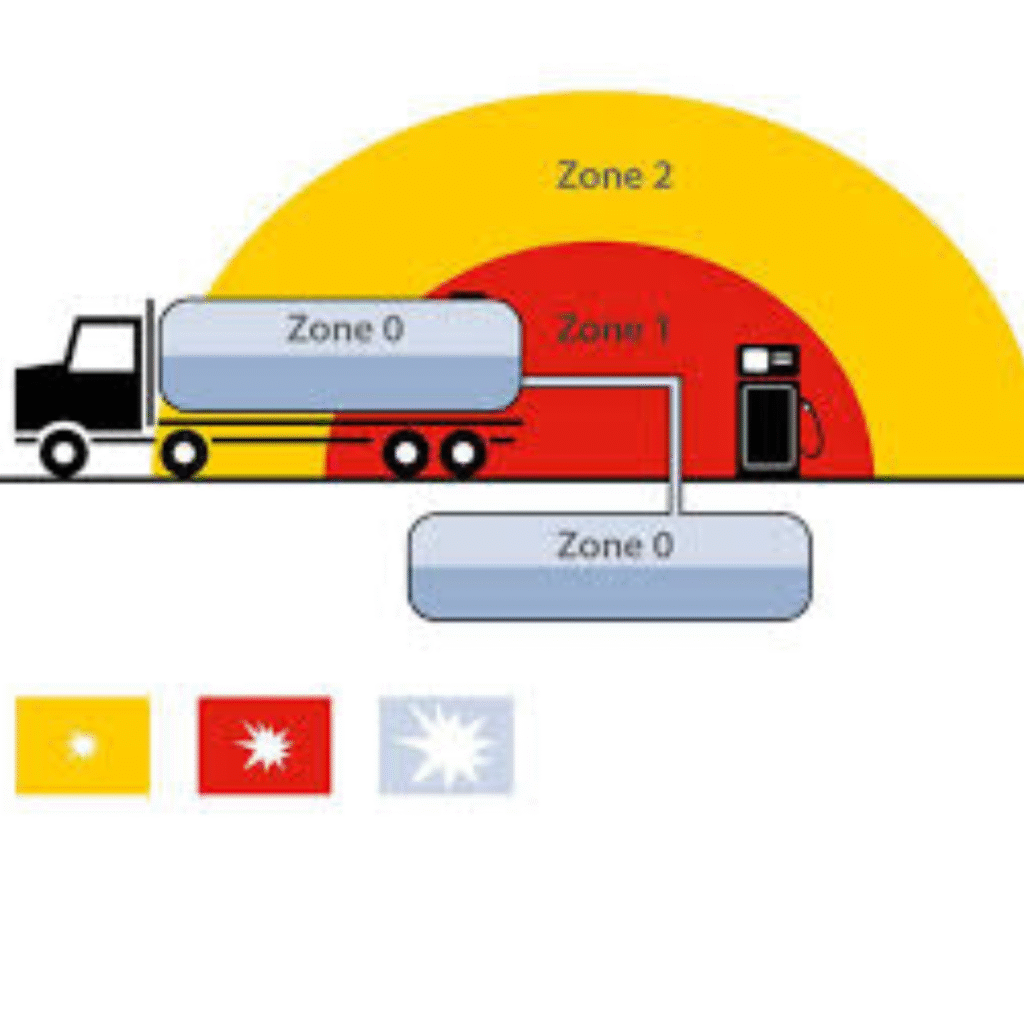
Flammable Area Classification (Zone 0,1,2,3)

Flammable Area Classification (Zone 0,1,2,3)

A systematic approach to identifying and categorizing areas where flammable gases or vapours may create potentially explosive atmospheres.


With zones defined by the frequency and duration of the hazardous atmosphere's presence.


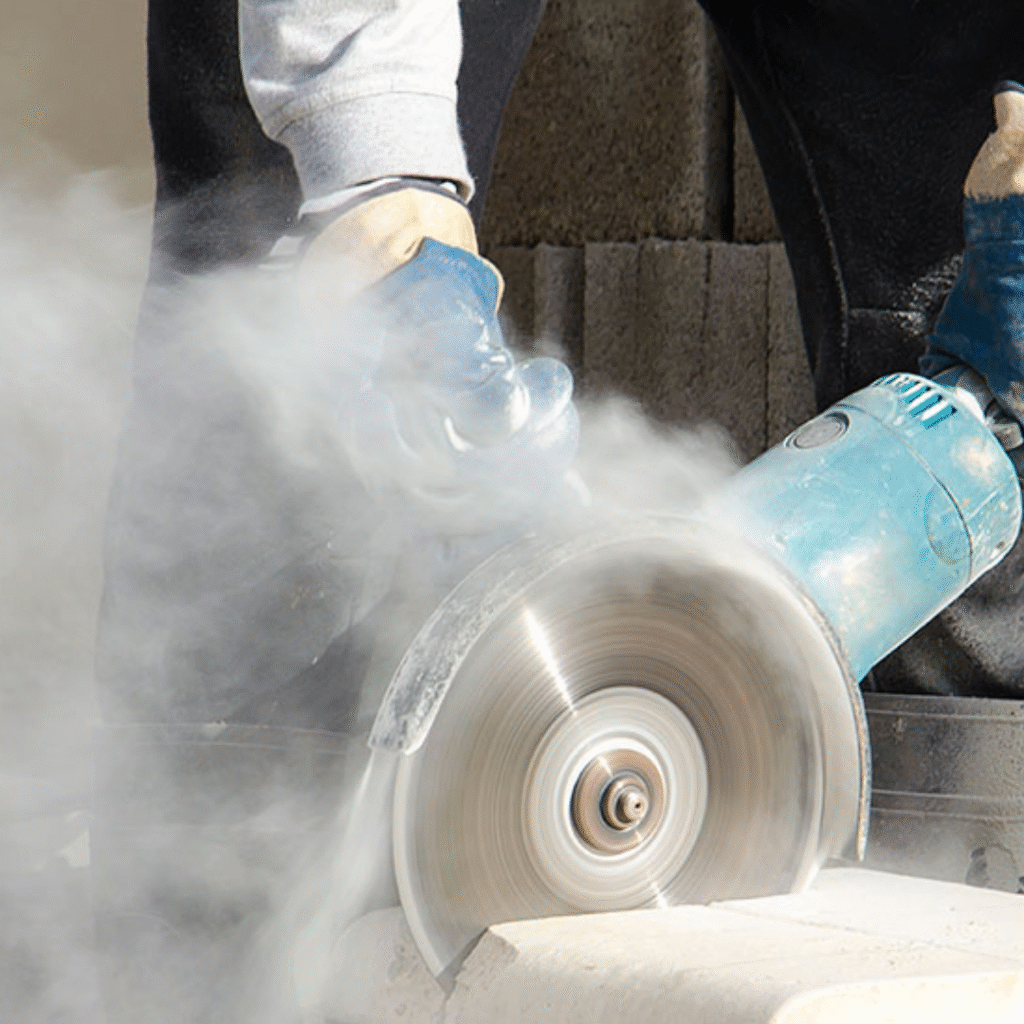
Dust Hazard Analysis (DHA) for Zone 20,21,22

Dust Hazard Analysis (DHA) for Zone 20,21,22

A methodical assessment of combustible dust hazards in industrial settings.


Classifying areas based on the likelihood and persistence of explosive dust clouds.


Static Charge Management

Static Charge Management

The process of identifying, evaluating, and controlling static electricity hazards in industrial environments.


To prevent ignition of flammable materials or damage to sensitive equipment.


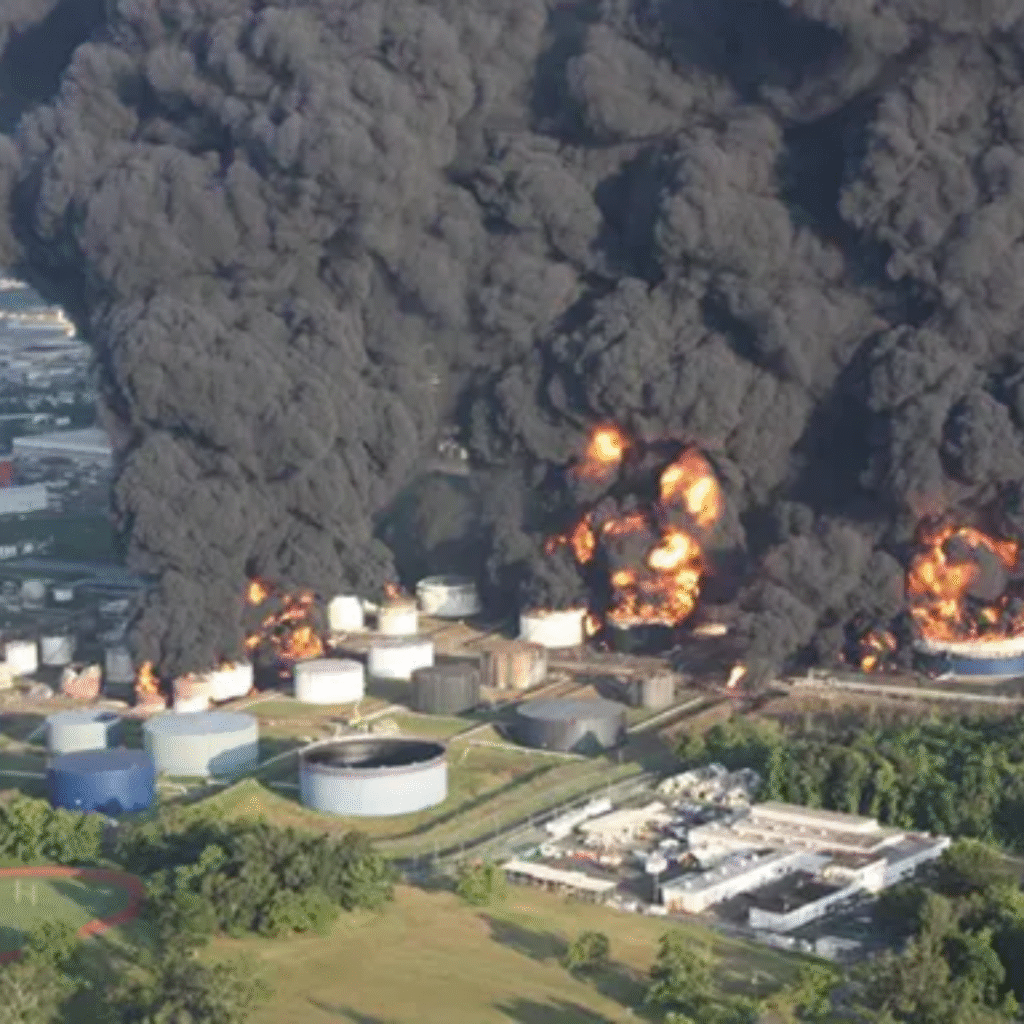
Vapor Cloud Explosion (VCE) Study

Vapor Cloud Explosion (VCE) Study

An analysis of the potential consequences of a large release of flammable gas or vapor.


That forms a cloud and ignites, causing a rapid burning and expansion.


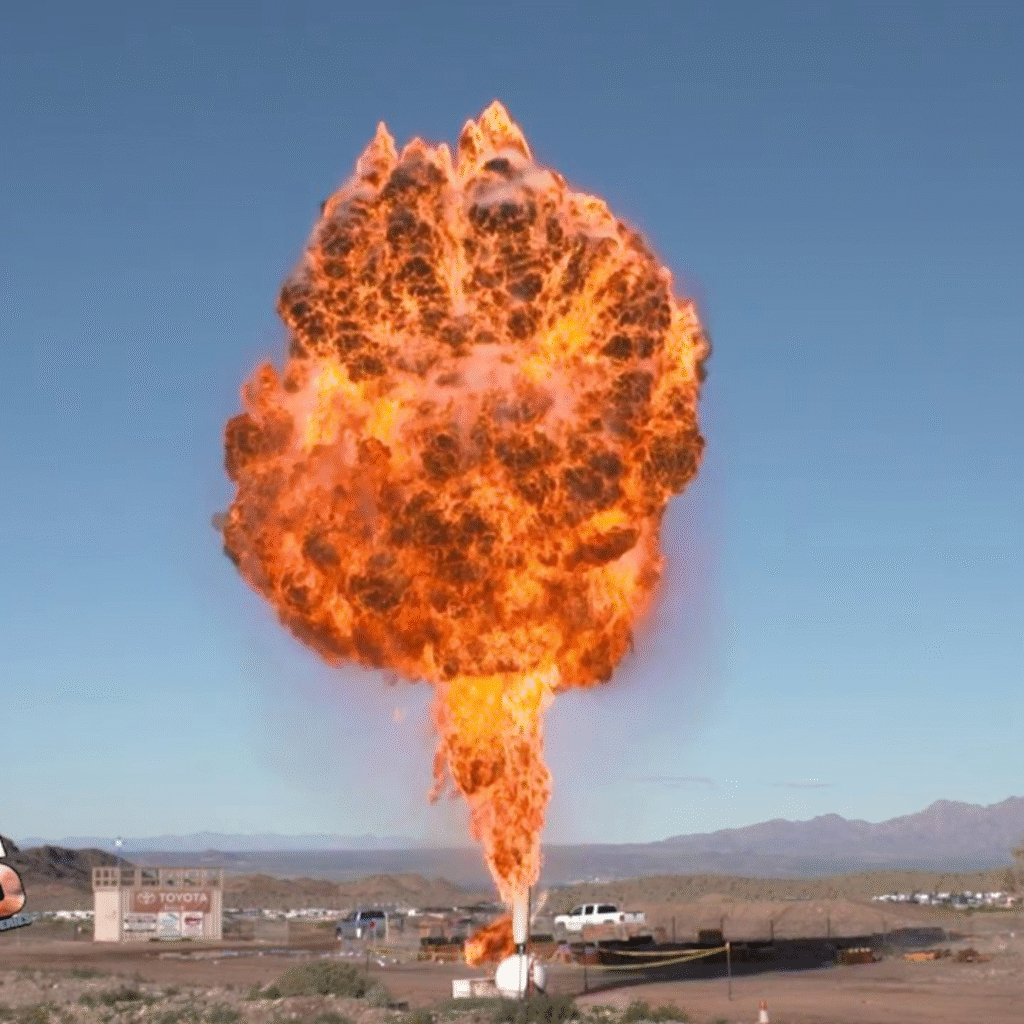
Unconfined Vapor Cloud Explosion (UVCE) Study

Unconfined Vapor Cloud Explosion (UVCE) Study

An assessment of the risks and impacts of an explosion resulting from the ignition of a vapor cloud.


In an open, unconfined space.


Boiling Liquid Expanding Vapor Explosion (BLEVE) Study

Boiling Liquid Expanding Vapor Explosion (BLEVE) Study

An evaluation of the hazards associated with the sudden release of vapours from a vessel containing pressurized liquid.


Above its atmospheric boiling point.


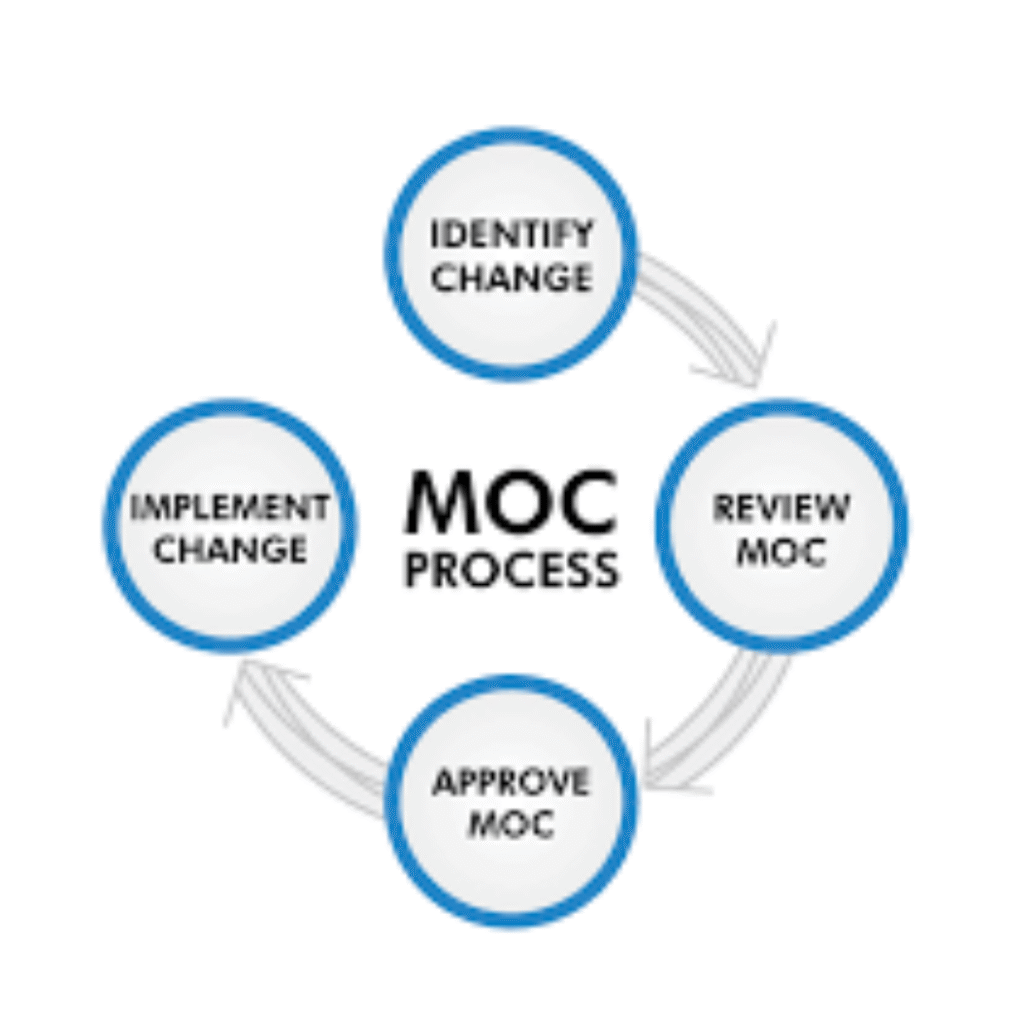
Management of Change (MOC)

Management of Change (MOC)

A systematic approach to ensuring that changes to equipment, procedures, materials, or personnel are properly reviewed and implemented.


To maintain safety and operational integrity.


Safety Standard Drafting & Implementation

Safety Standard Drafting & Implementation

The process of developing, documenting, and enforcing safety guidelines and procedures.


Specific to an organization's operations and hazards.


P&ID Review

P&ID Review

A critical examination of Piping and Instrumentation Diagrams to ensure they accurately represent the process, safety systems, and equipment.


Identifying potential hazards or design flaws.


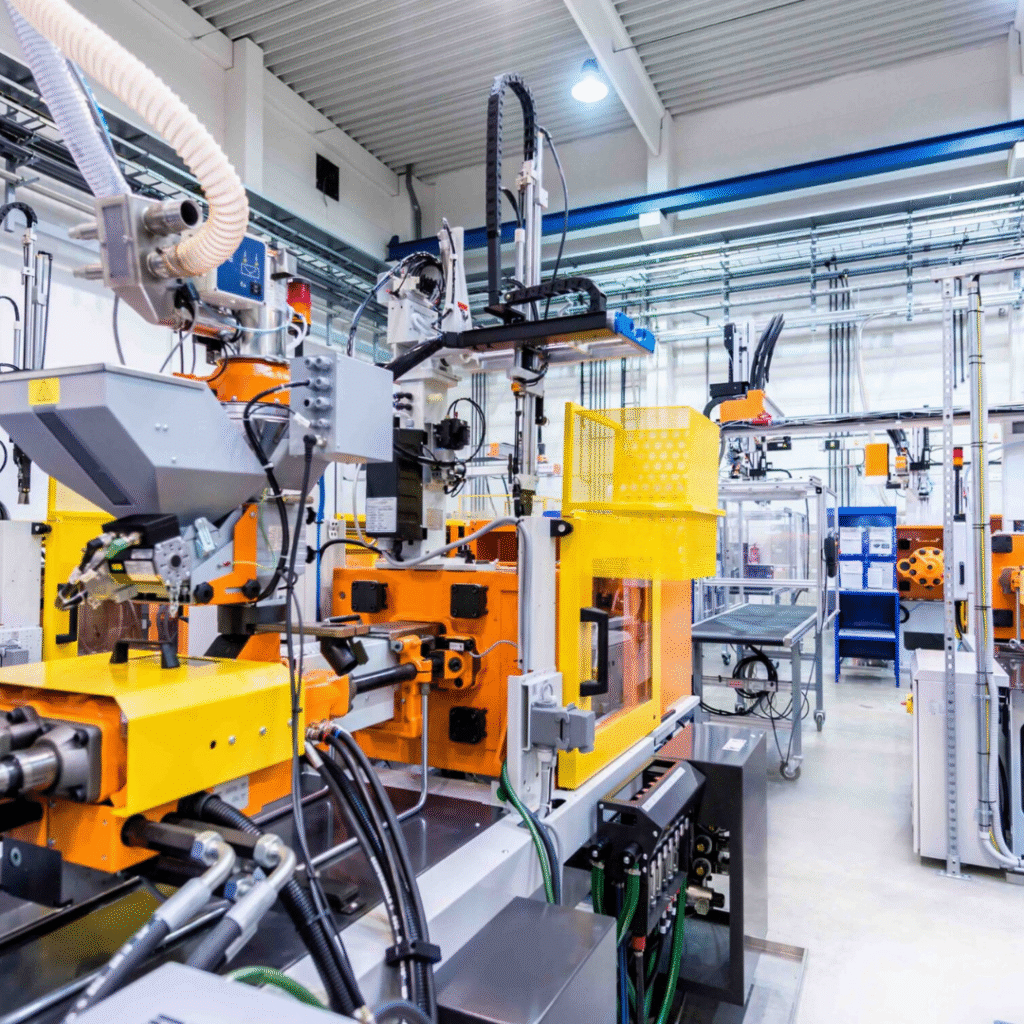
Machine Guarding Audit & Execution

Machine Guarding Audit & Execution

An assessment of machinery safeguards to ensure they adequately protect workers from hazards.


Followed by implementation of necessary improvements.


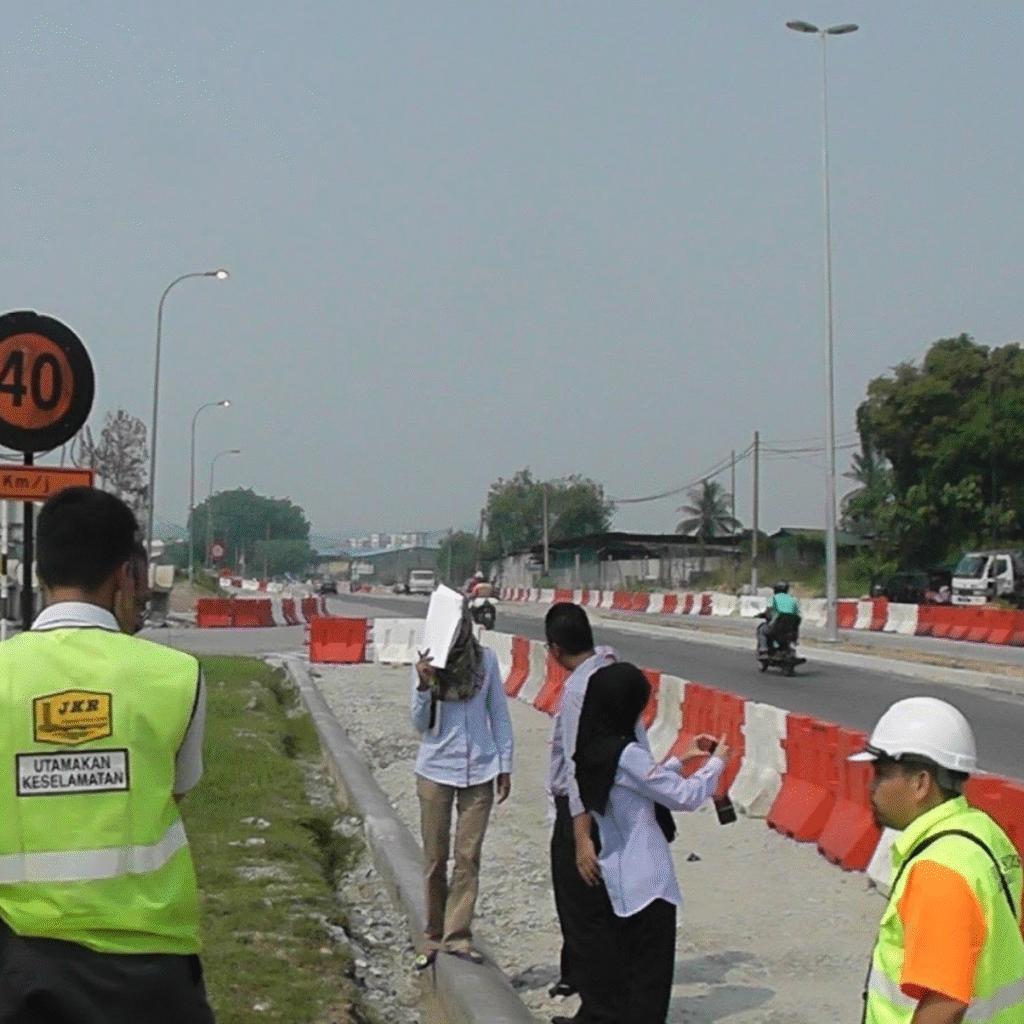
Road & Vehicle Safety Audit

Road & Vehicle Safety Audit

A formal examination of existing or future road projects to identify potential safety issues.


To suggest measures to reduce accidents and improve overall road safety.


Ergonomics Study (RULA, REBA)

Ergonomics Study (RULA, REBA)

An assessment of workplace conditions and job demands using tools like Rapid Upper Limb Assessment (RULA) and Rapid Entire Body Assessment (REBA).


To identify and reduce ergonomic risk factors.


Qualitative & Quantitative Industrial Hygiene Monitoring Risk Assessment

Qualitative & Quantitative Industrial Hygiene Monitoring Risk Assessment

A comprehensive evaluation of workplace exposures to chemical, physical, and biological agents.


Using both observational methods and precise measurements to assess health risks and determine appropriate control measures.


Gas Safety Specialist

Cryogenics & Gas Safety

Cryogenics & Gas Safety

The specialized field of handling and managing extremely low-temperature gases and liquids.


Focusing on safety measures for storage, transport, and use of cryogenic substances.


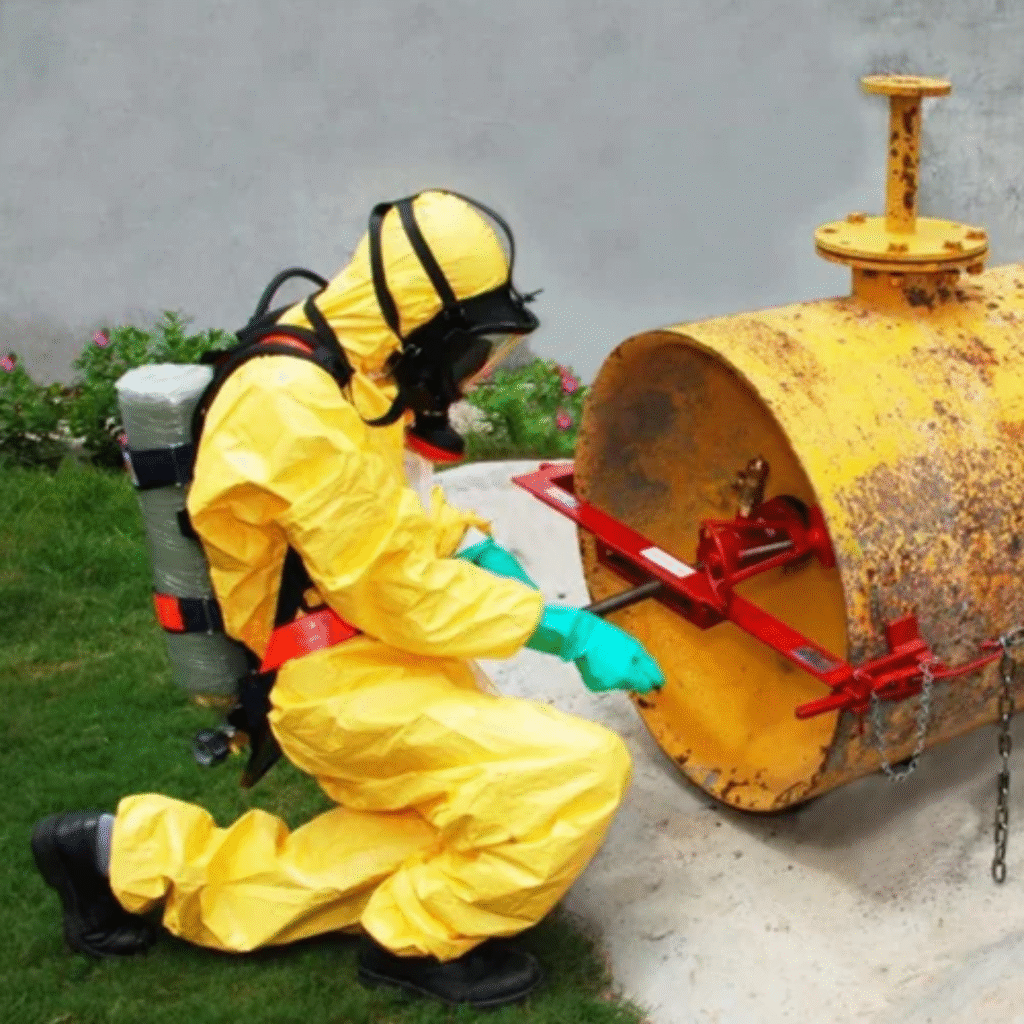
Chlorine Safety

Chlorine Safety

Specific safety protocols for handling chlorine gas.


Including containment, leak detection, and emergency response procedures due to its toxic and corrosive nature.


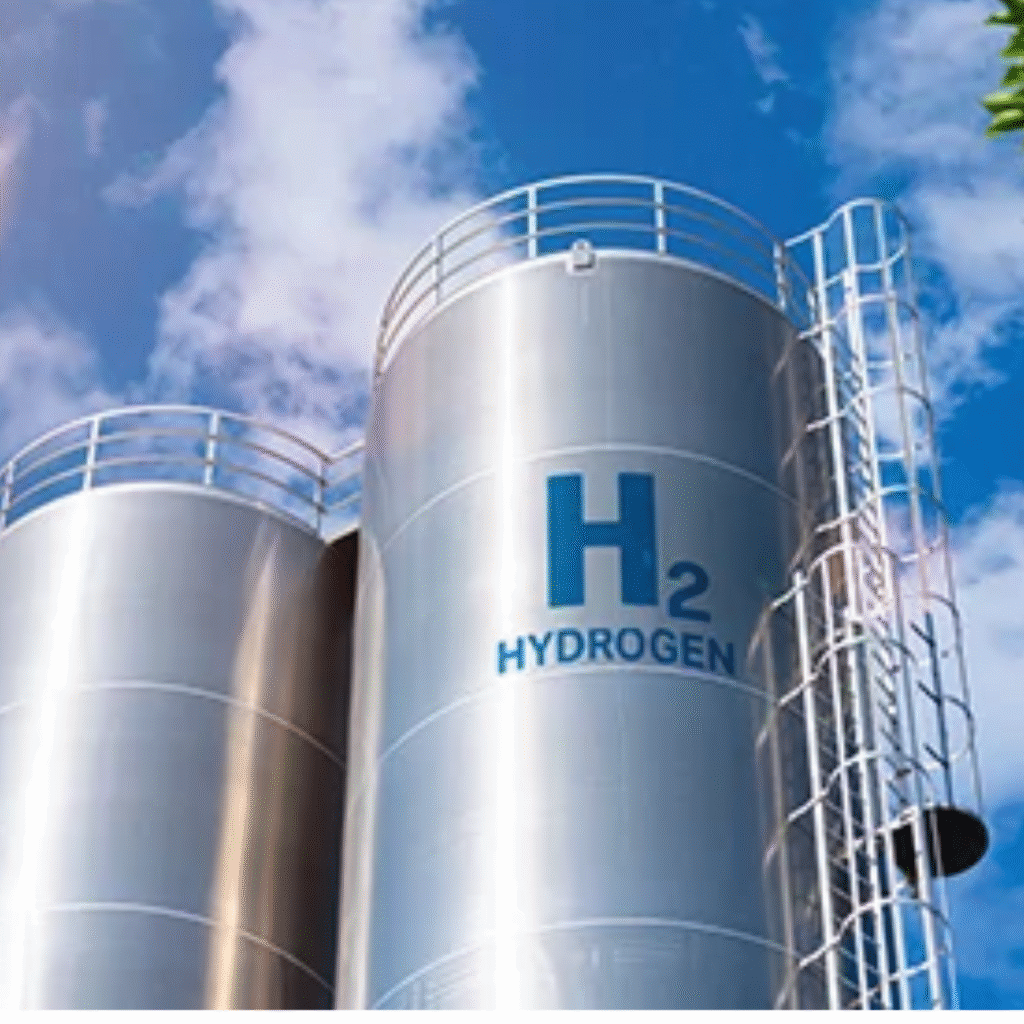
Hydrogen Safety

Hydrogen Safety

Safety measures for handling highly flammable hydrogen gas.


Focusing on leak prevention, ventilation, and explosion protection.


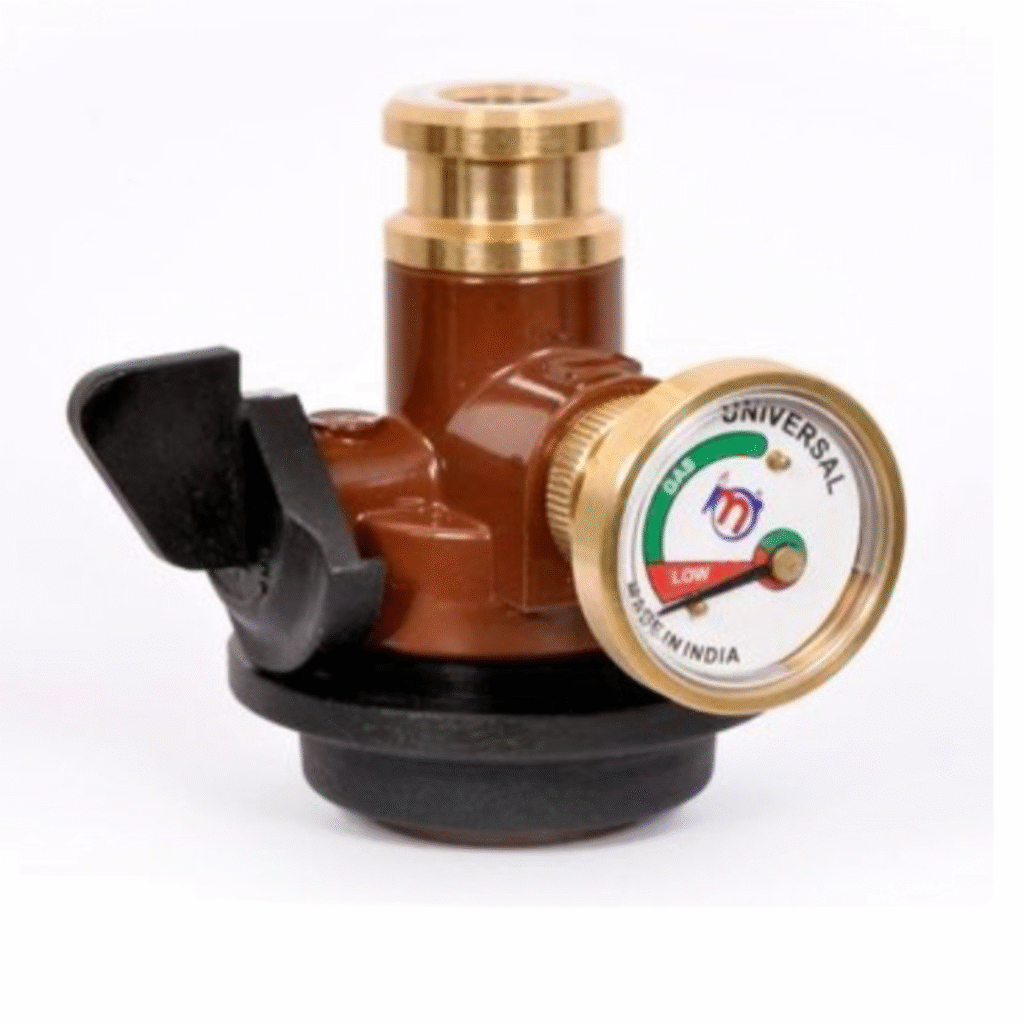
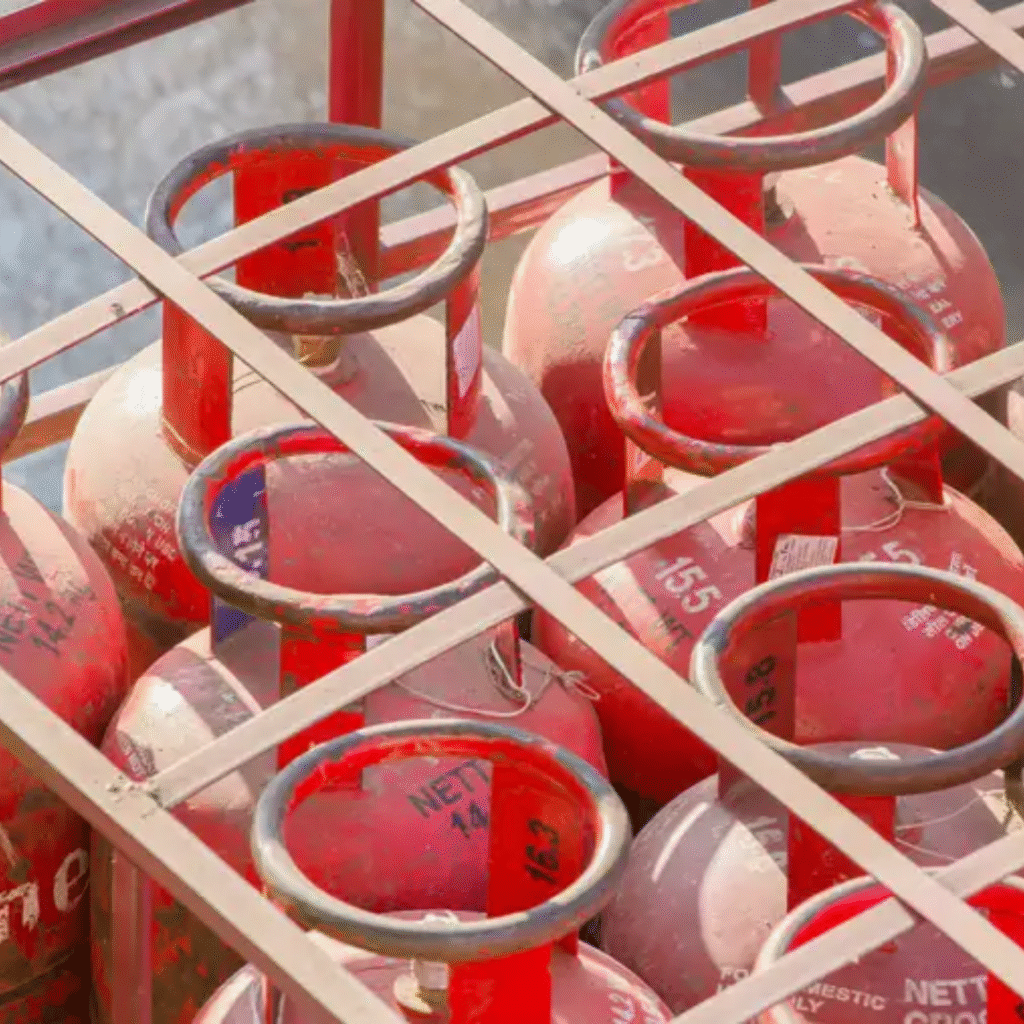
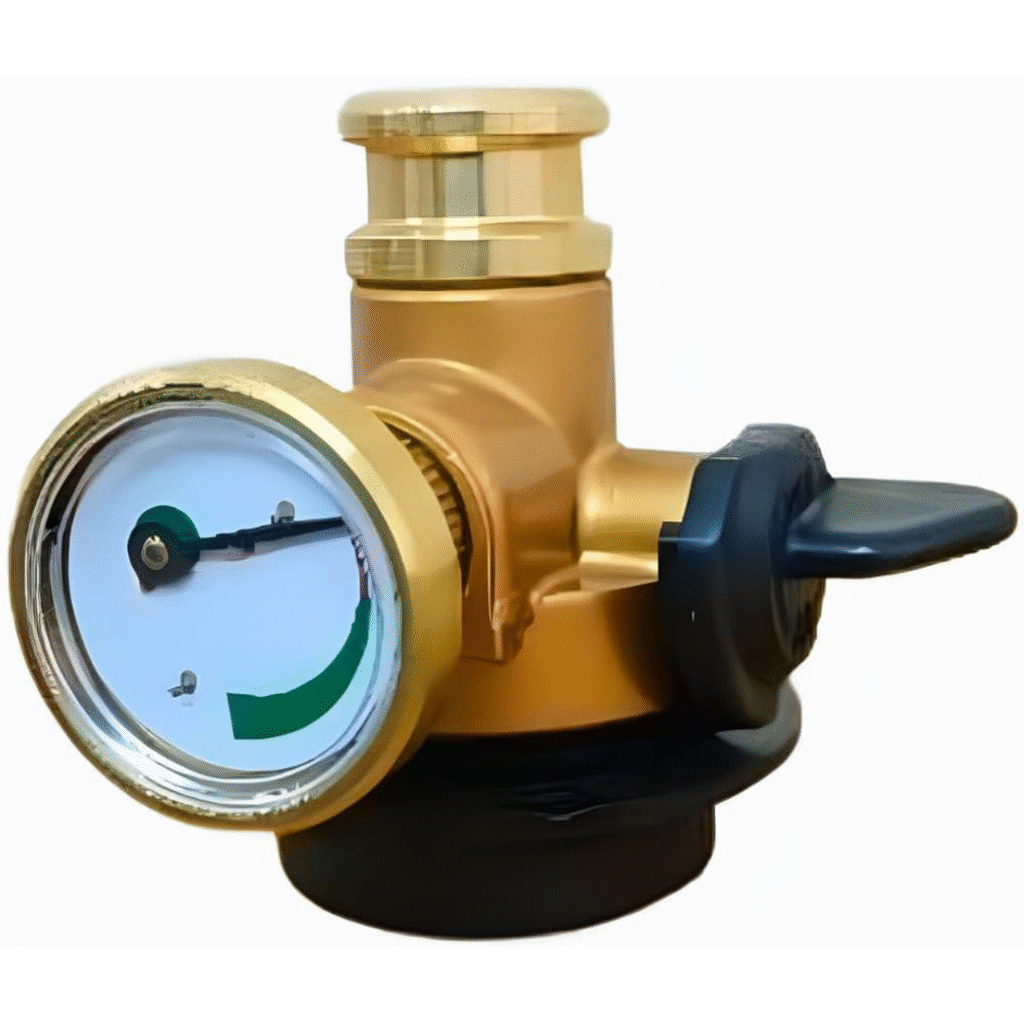
LPG (Liquefied Petroleum Gas) Safety

LPG (Liquefied Petroleum Gas) Safety

Safety practices for storing, handling, and using propane or butane in pressurized containers.


Including leak detection and fire prevention.


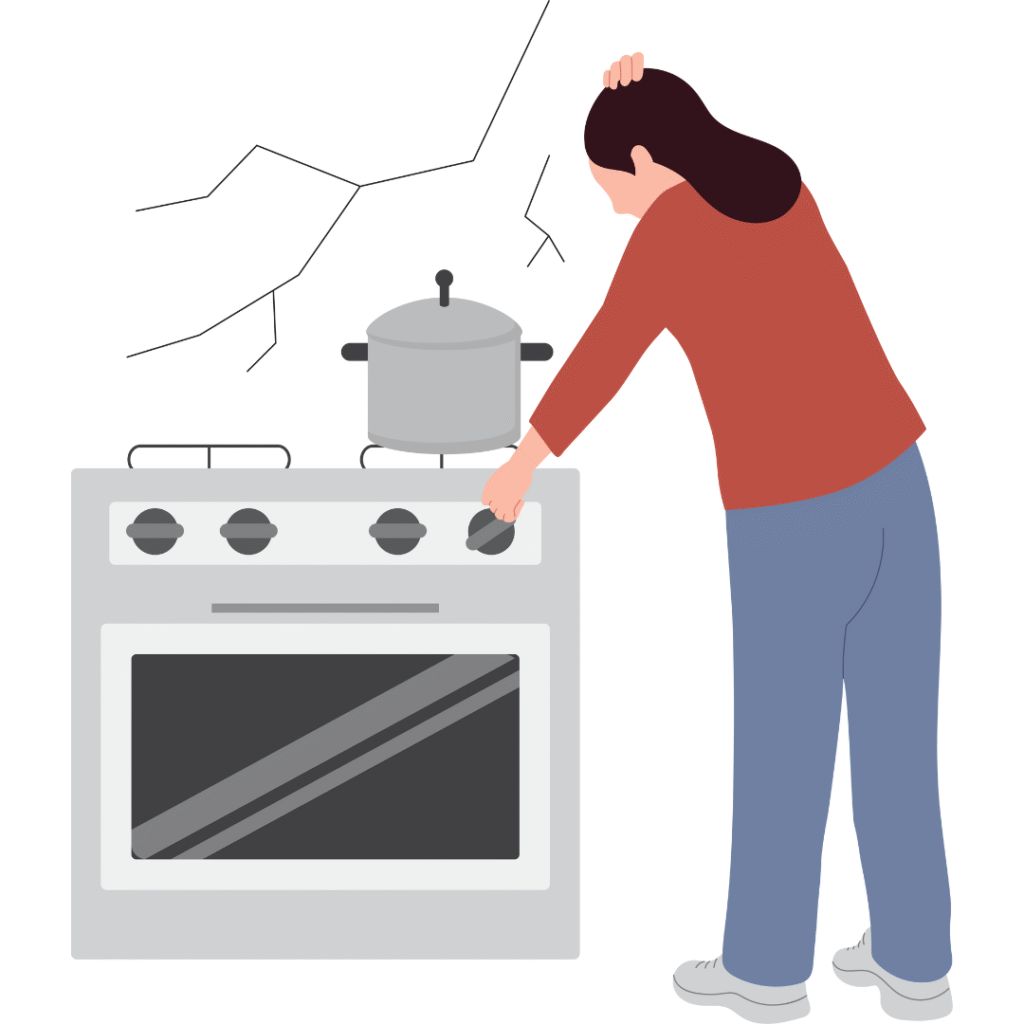
PNG (Piped Natural Gas) Safety

PNG (Piped Natural Gas) Safety

Safety procedures for the distribution and use of natural gas through pipeline systems.


Including leak detection and emergency shut-off protocols.


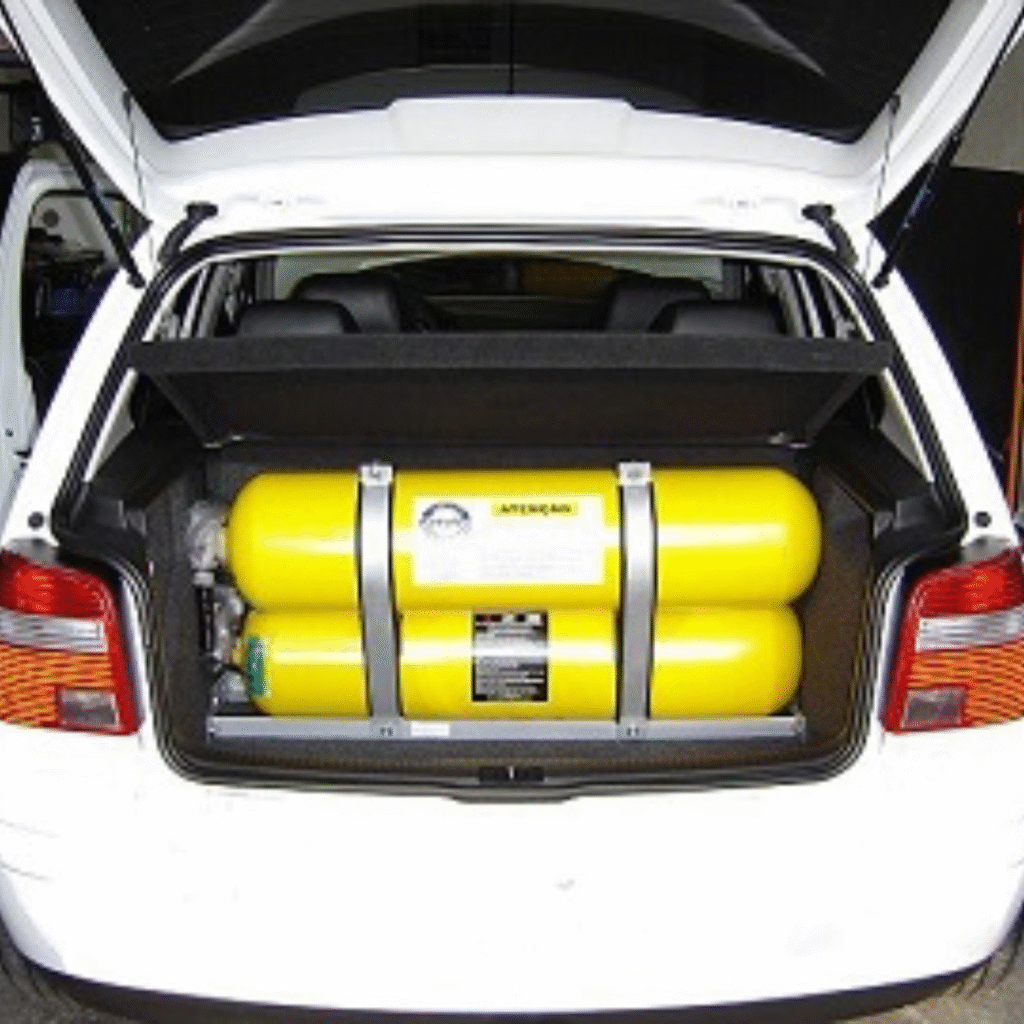
CNG (Compressed Natural Gas) Safety

CNG (Compressed Natural Gas) Safety

Safety measures for handling and using natural gas compressed to high pressures.


Particularly in vehicle fuelling applications.


CO (Carbon Monoxide) Safety

CO (Carbon Monoxide) Safety

Procedures to prevent, detect, and respond to the presence of toxic carbon monoxide gas.


Often focusing on ventilation and detection systems.


NH3 (Ammonia) Safety

NH3 (Ammonia) Safety

Safety protocols for handling anhydrous ammonia.


Addressing its corrosive and toxic properties in industrial and refrigeration applications.


BFG (Blast Furnace Gas) Safety

BFG (Blast Furnace Gas) Safety

Safety measures for handling the combustible by-product gas from iron-making blast furnaces.


Focusing on its toxic and explosive properties.


Coke Oven Gas Safety

Coke Oven Gas Safety

Procedures for safely managing the flammable and toxic gas produced during coal carbonization in coke ovens.


Converter Gas Safety

Converter Gas Safety

Safety protocols for handling gas produced during steel-making processes.


Addressing its toxic and flammable nature.


Water Gas Safety

Water Gas Safety

Safety measures for handling synthetic gas produced by passing steam over incandescent coke.


Focusing on its toxic and explosive properties.


Silane Safety

Silane Safety

Specialized safety procedures for handling highly pyrophoric silane gas.


Used in semiconductor manufacturing.


Specialty Gases Safety

Specialty Gases Safety

Safety protocols for handling various high-purity or custom-blended gases.


Used in research and industry.


Bulk Gas Handling & Plant Operational Safety

Bulk Gas Handling & Plant Operational Safety

Comprehensive safety measures for large-scale gas storage, distribution, and use in industrial settings.


Gas Station Design & Commissioning Safety Measures

Gas Station Design & Commissioning Safety Measures

Safety considerations in the design, construction, and initial operation of gas fueling stations.


Oxidizer Cleaning

Oxidizer Cleaning

Specialized cleaning procedures for equipment used with oxidizing gases.


To prevent contamination and reduce fire hazards.

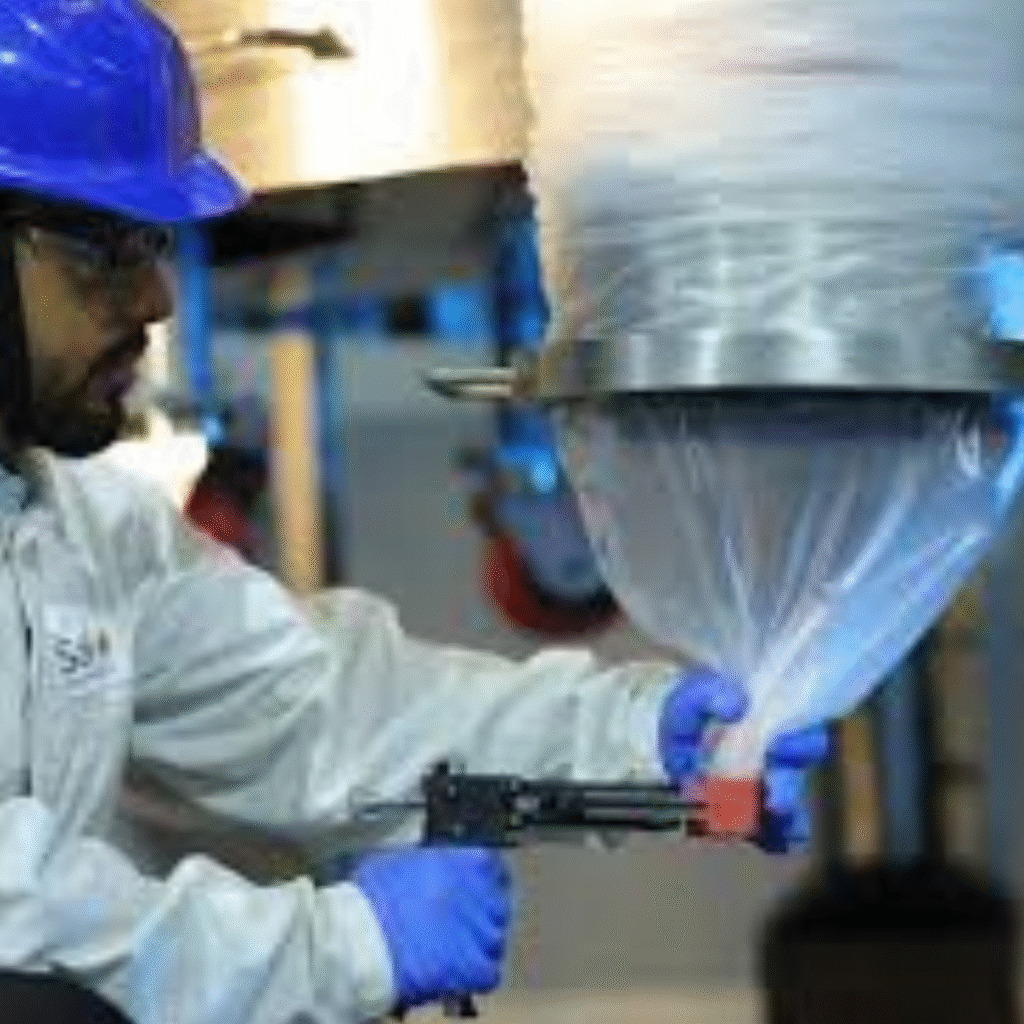
Pickling Procedures

Pickling Procedures

Safety measures for the process of removing impurities from metal surfaces using acidic solutions.

Often involving hazardous gases.

VITT (Vacuum Insulated Transfer Tube) Installation

VITT (Vacuum Insulated Transfer Tube) Installation

Safety procedures for installing and maintaining specialized piping for cryogenic liquid transfer.


VIST (Vacuum Insulated Storage Tank) Installation

VIST (Vacuum Insulated Storage Tank) Installation

Safety measures for installing and operating large-scale cryogenic storage tanks.


FBT (Field-Built Tank) Installation

FBT (Field-Built Tank) Installation

Safety protocols for on-site construction and installation of large gas storage tanks.


Water Sealed Gas Holders

Water Sealed Gas Holders

Safety considerations for large-volume gas storage systems that use water as a seal and pressure regulator.


Reactors (Batch/Continuous Process) Safety

Reactors (Batch/Continuous Process) Safety

Safety measures for vessels where chemical reactions occur.


Addressing pressure, temperature, and chemical hazards in both batch and continuous operations.


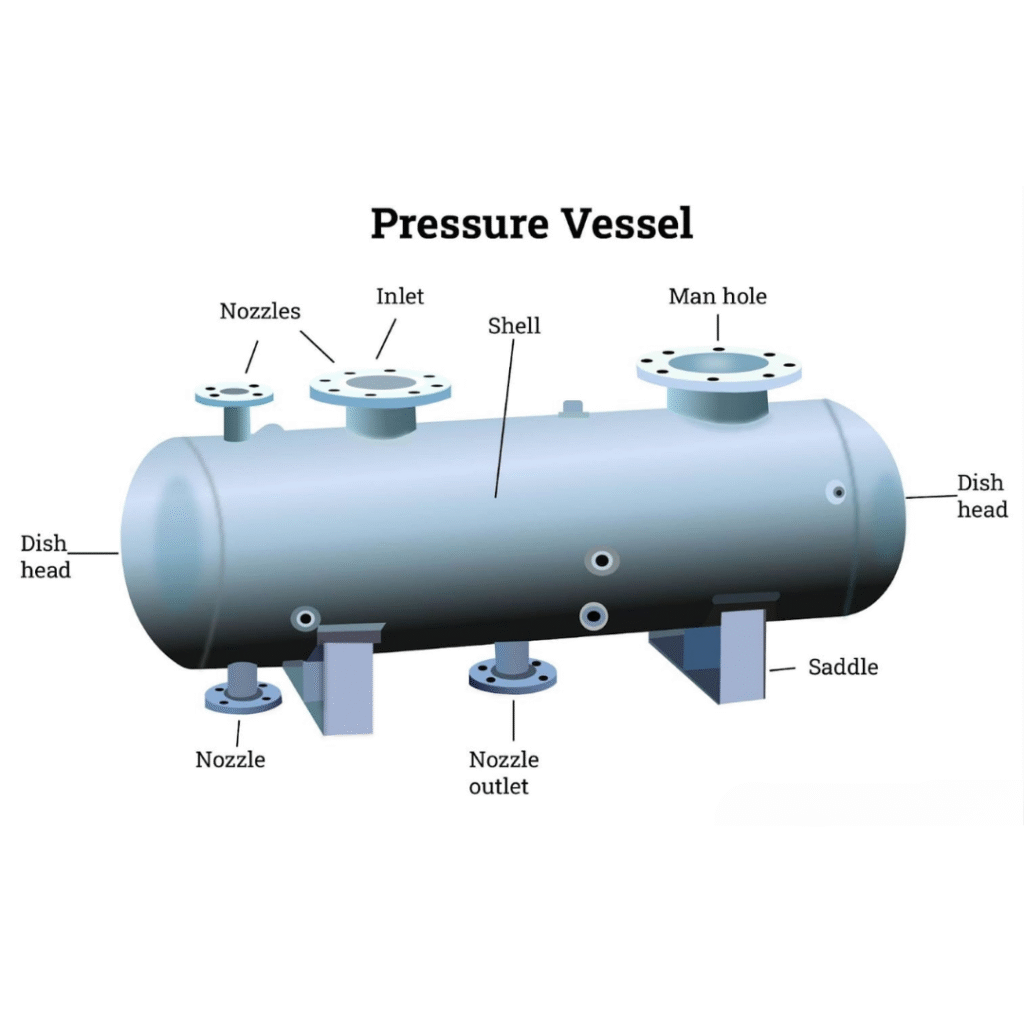
Pressure Vessel Testing

Pressure Vessel Testing

Procedures for safely testing the integrity of pressurized containers used for gas storage or reactions.


Pigging Procedure

Pigging Procedure

Safety protocols for using pipeline inspection gauges ("pigs") to clean or inspect gas pipelines.


This is done without interrupting flow in the pipeline system.


Traffic/Transportation Management System (TMS)

Traffic/Transportation Management System (TMS)

Traffic/Transportation Management System (TMS) is a comprehensive approach to monitoring, controlling, and optimizing the movement of vehicles and people within a specified area or network.


It encompasses a range of technologies, strategies, and procedures designed to improve safety, efficiency, and sustainability in transportation.


Document