MOEF&CC (Ministry of Environment, Forest and Climate Change)
Central government ministry responsible for environmental policies and regulations in India.
Oversees environmental protection, forest conservation, and climate change mitigation efforts.
Central government ministry responsible for environmental policies and regulations in India.
Oversees environmental protection, forest conservation, and climate change mitigation efforts.

Apex statutory body for pollution control in India.
Sets national standards for air and water quality, monitors pollution, and advises the government.

State-level bodies responsible for implementing environmental laws and regulations.
Monitors industrial pollution, grants environmental clearances, and enforces standards set by CPCB.
CGWA regulates groundwater extraction; CGWB assesses and manages groundwater resources.
Together, they monitor, develop, and conserve groundwater resources in India.
State-level agencies responsible for groundwater management and regulation.
Conduct surveys, assess resources, and implement state-specific groundwater policies.

Head of the local fire department responsible for fire safety and prevention.
Issues fire safety certificates and ensures compliance with fire safety regulations.
Evaluates and grants environmental clearances for projects at the state level.
Works under the guidelines of the MOEF&CC to assess environmental impacts.
Government department that ensures accuracy in weights and measures.
Regulates PCR (Packed Commodity Rules), and issues dealer and importer licenses.

National body responsible for regulating and supervising food safety.
Sets standards for food items and issues licenses to food businesses at central and state levels.
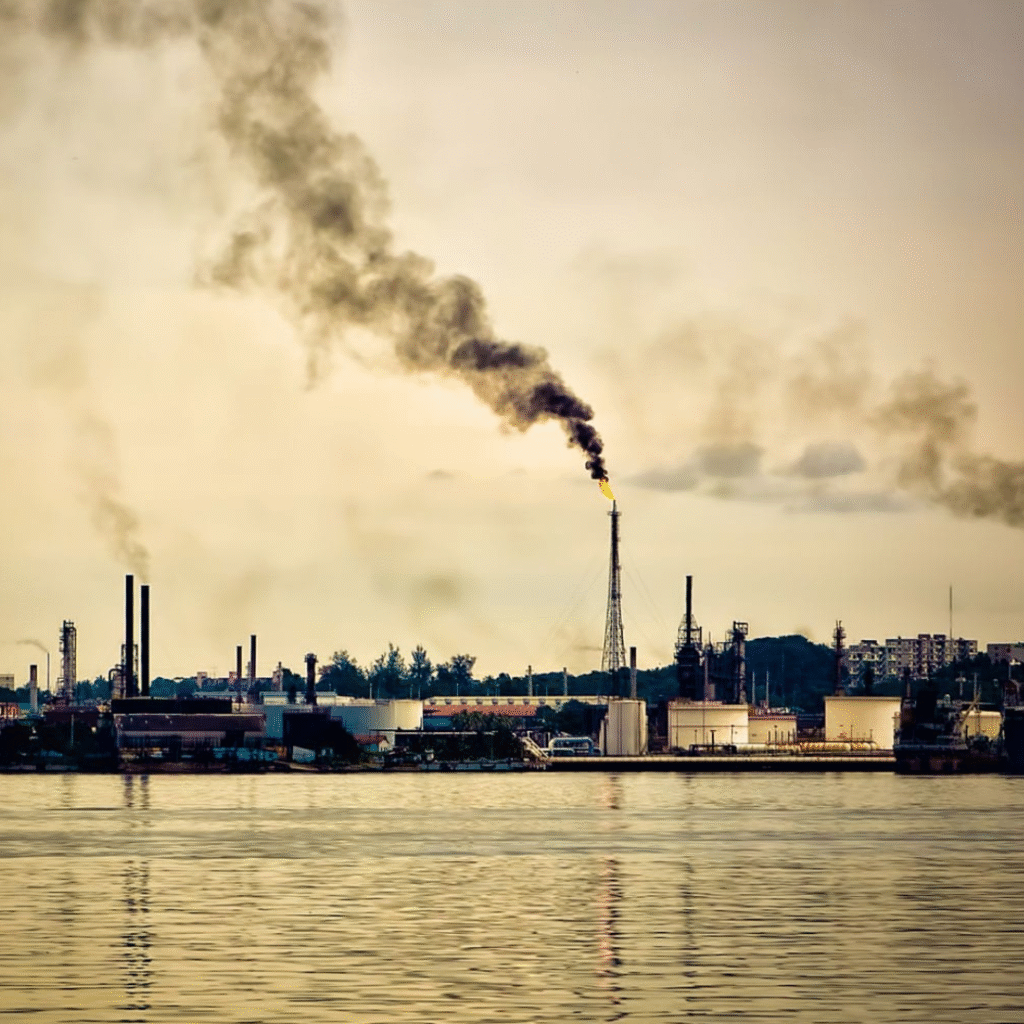
Air pollution control focuses on emissions from industries and vehicles.
Water pollution management involves treatment of industrial effluents and sewage.
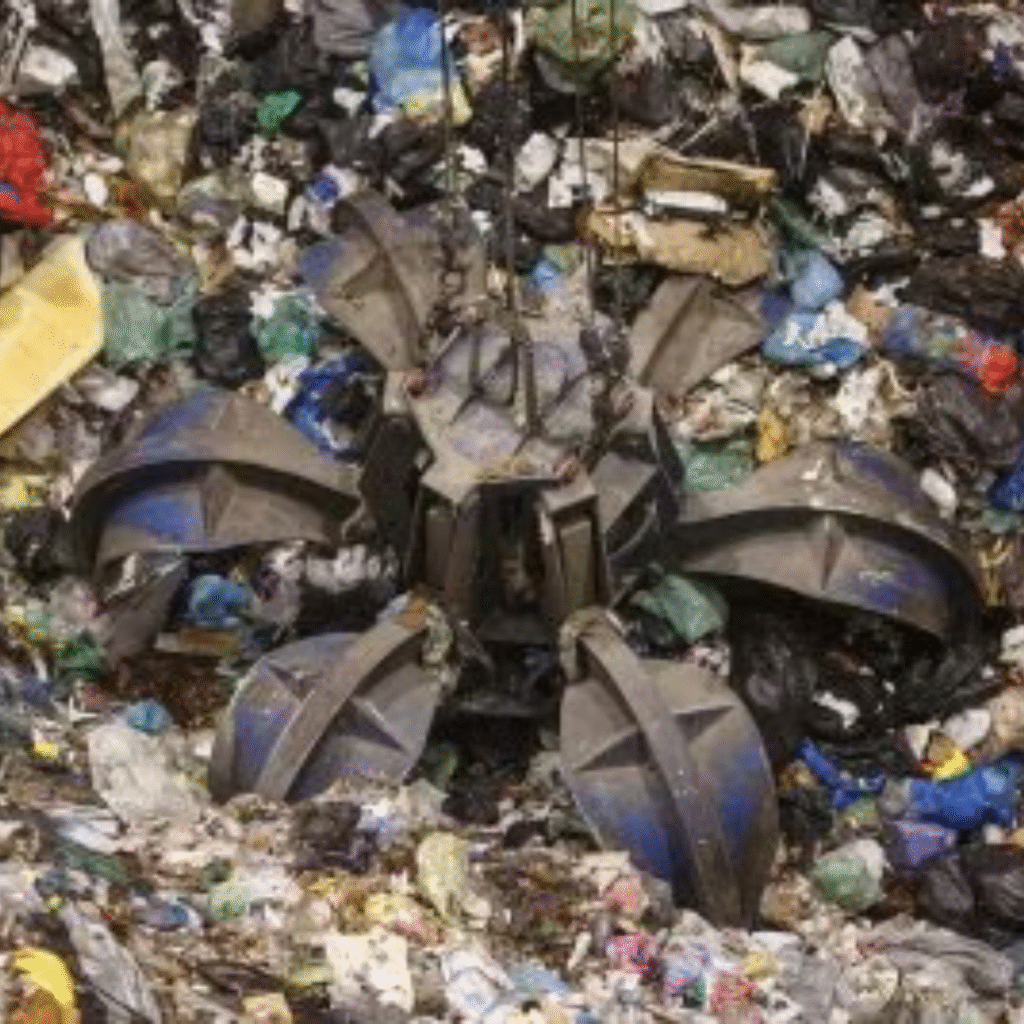
Includes toxic, corrosive, or reactive materials from industrial processes.
Requires special handling, treatment, and disposal as per strict regulations.
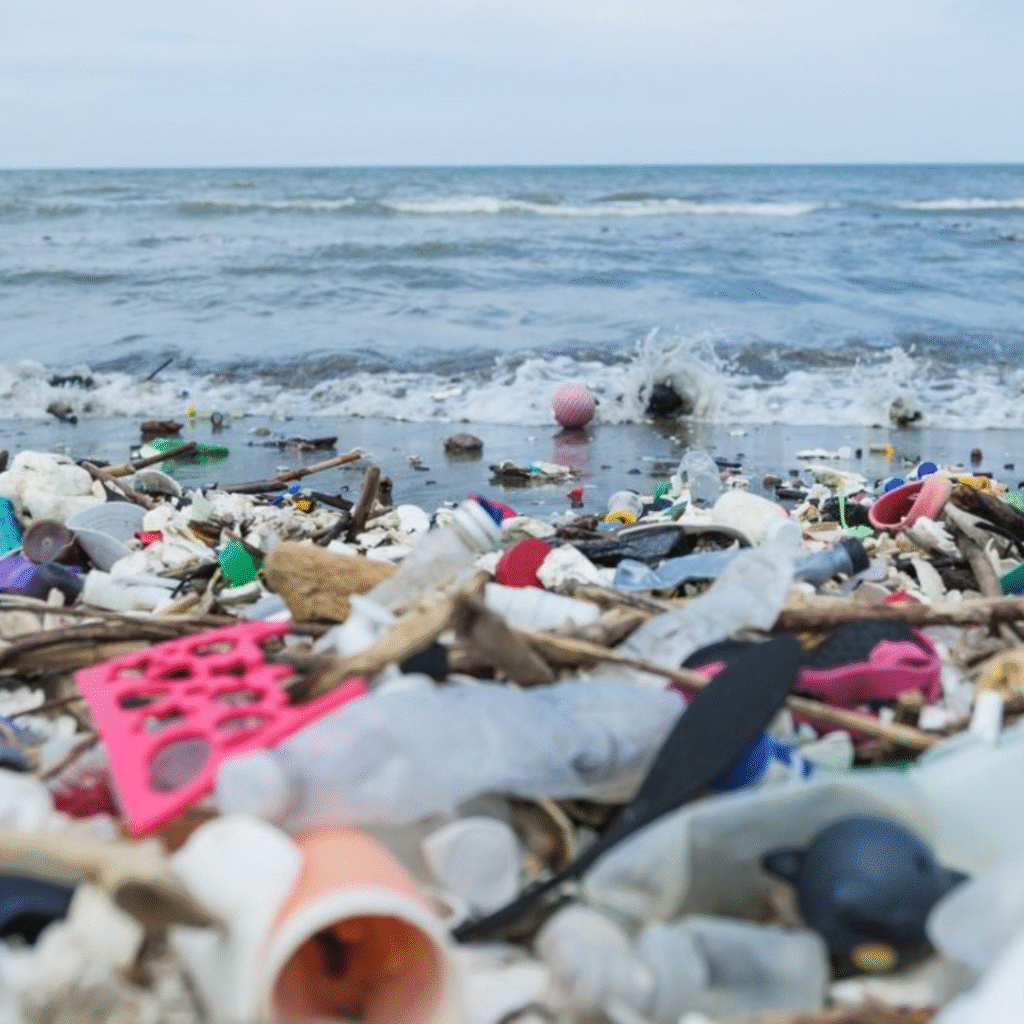
Involves collection, segregation, recycling, and proper disposal of plastic items.
Managed under specific rules to reduce environmental impact and promote recycling.
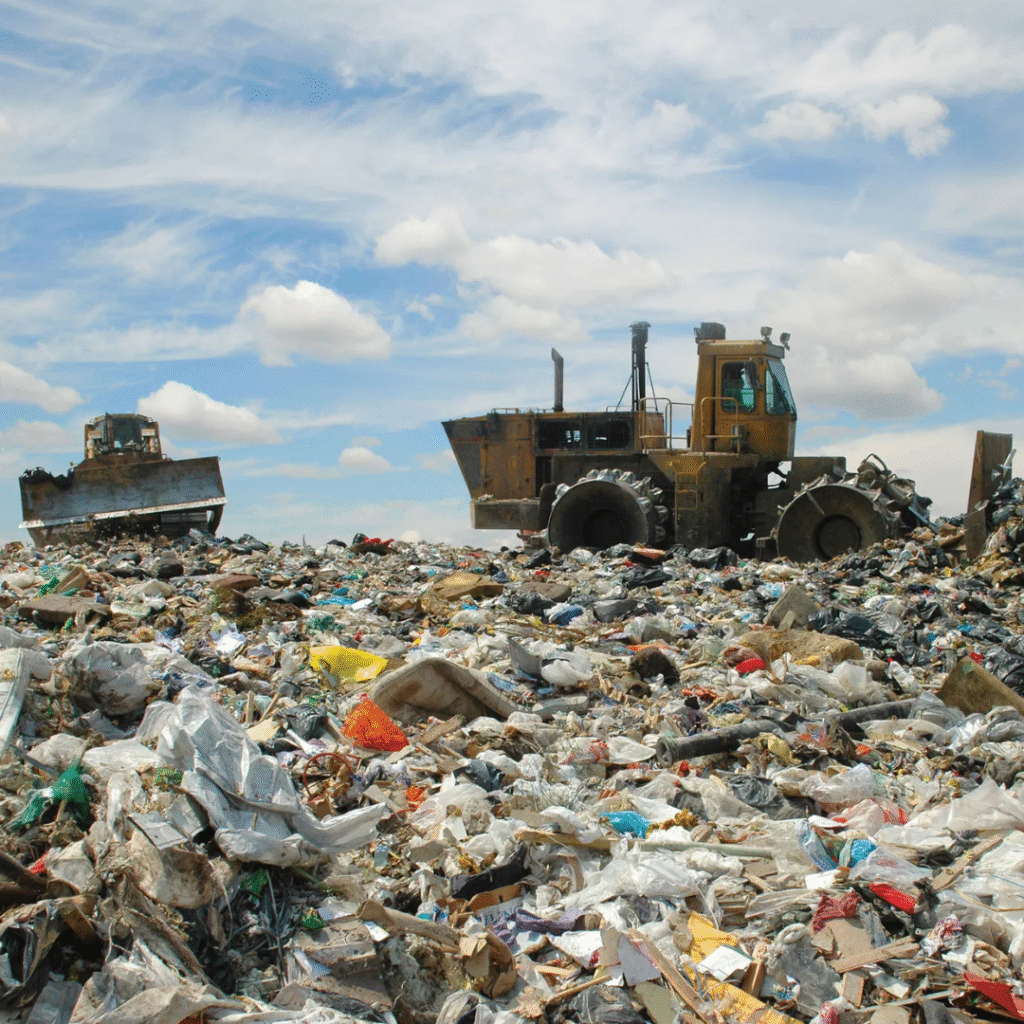
Encompasses household, commercial, and industrial non-hazardous waste.
Managed through collection, segregation, recycling, and proper disposal methods.
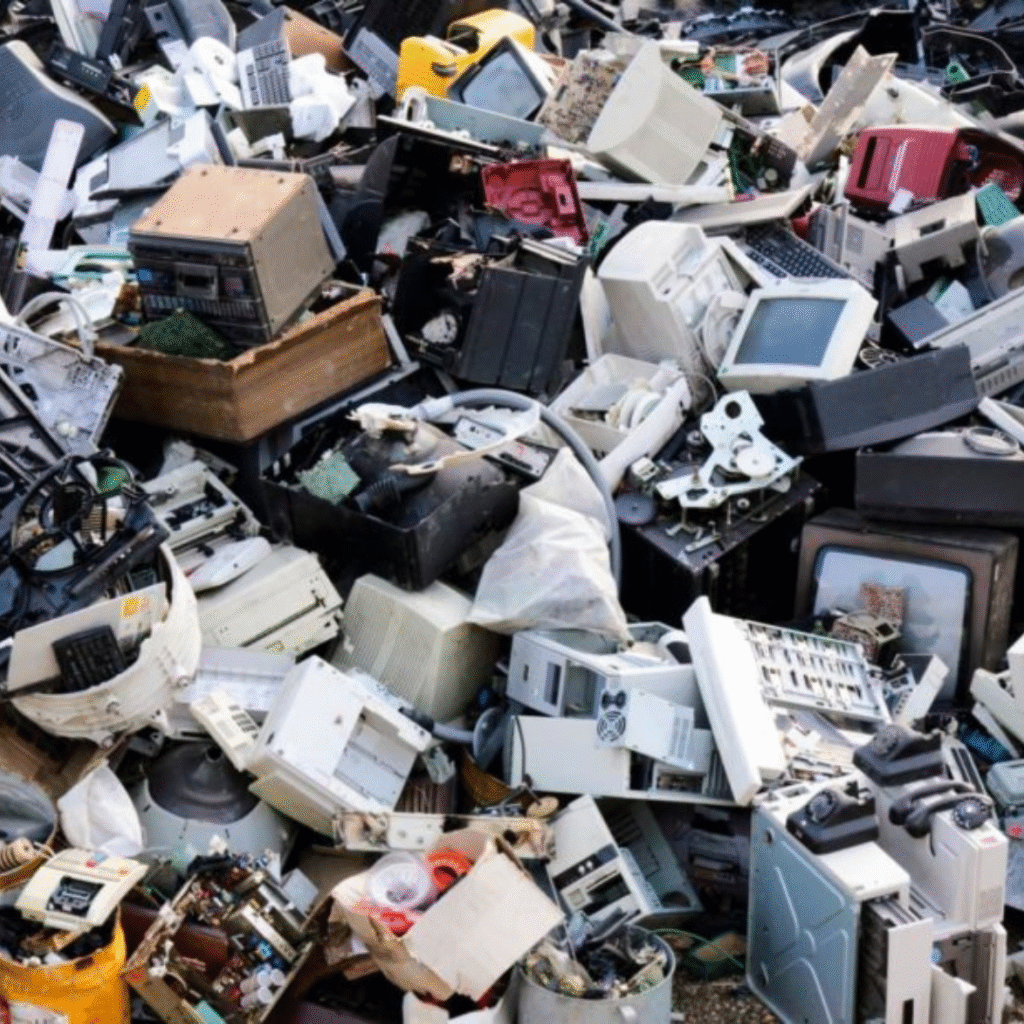
Consists of discarded electronic devices and components.
Requires specialized recycling to recover valuable materials and prevent environmental contamination.

Generated by healthcare facilities, includes potentially infectious materials.
Requires careful segregation, treatment, and disposal to prevent health hazards.
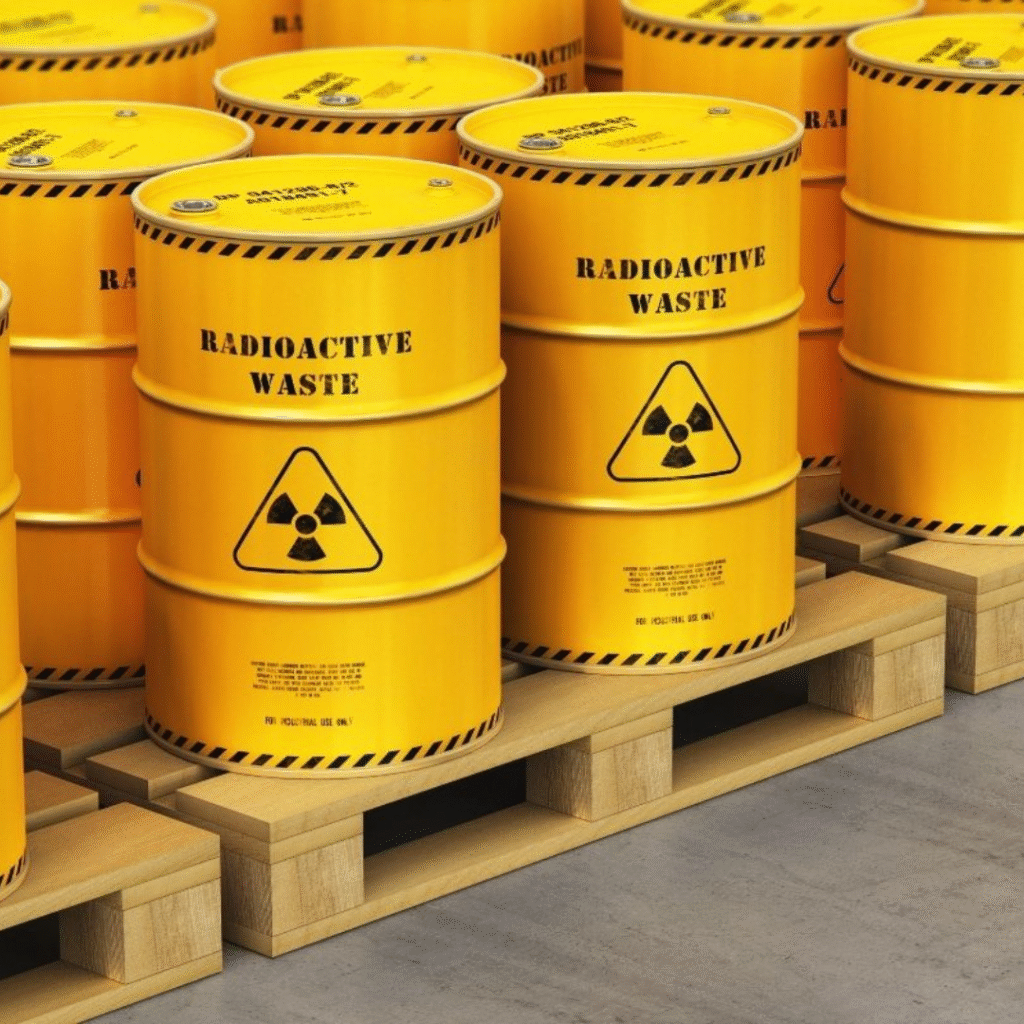
May include construction and demolition waste, battery waste, or radioactive waste.
Each type has specific management protocols based on its characteristics and potential hazards.
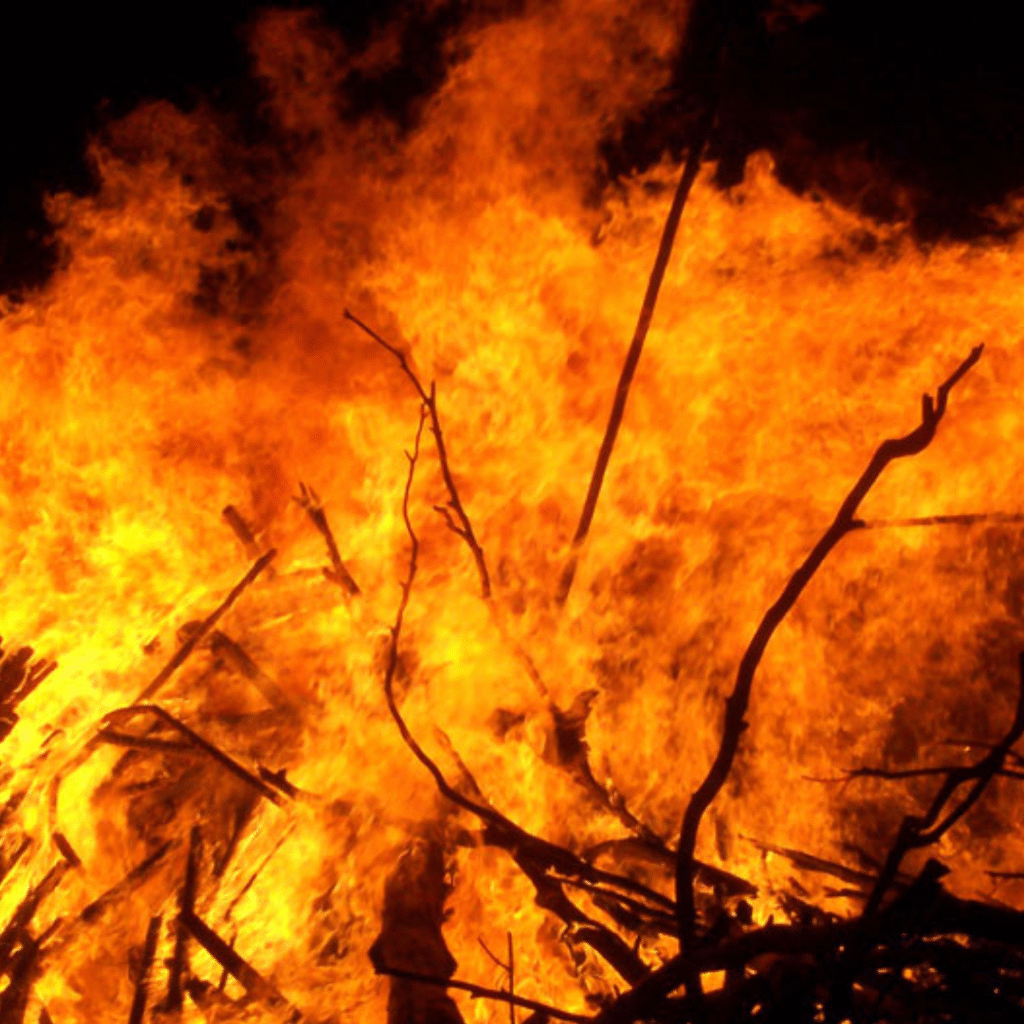
Refers to fire safety regulations and obtaining necessary fire safety certificates.
Involves installing fire prevention systems and following safety protocols in buildings.
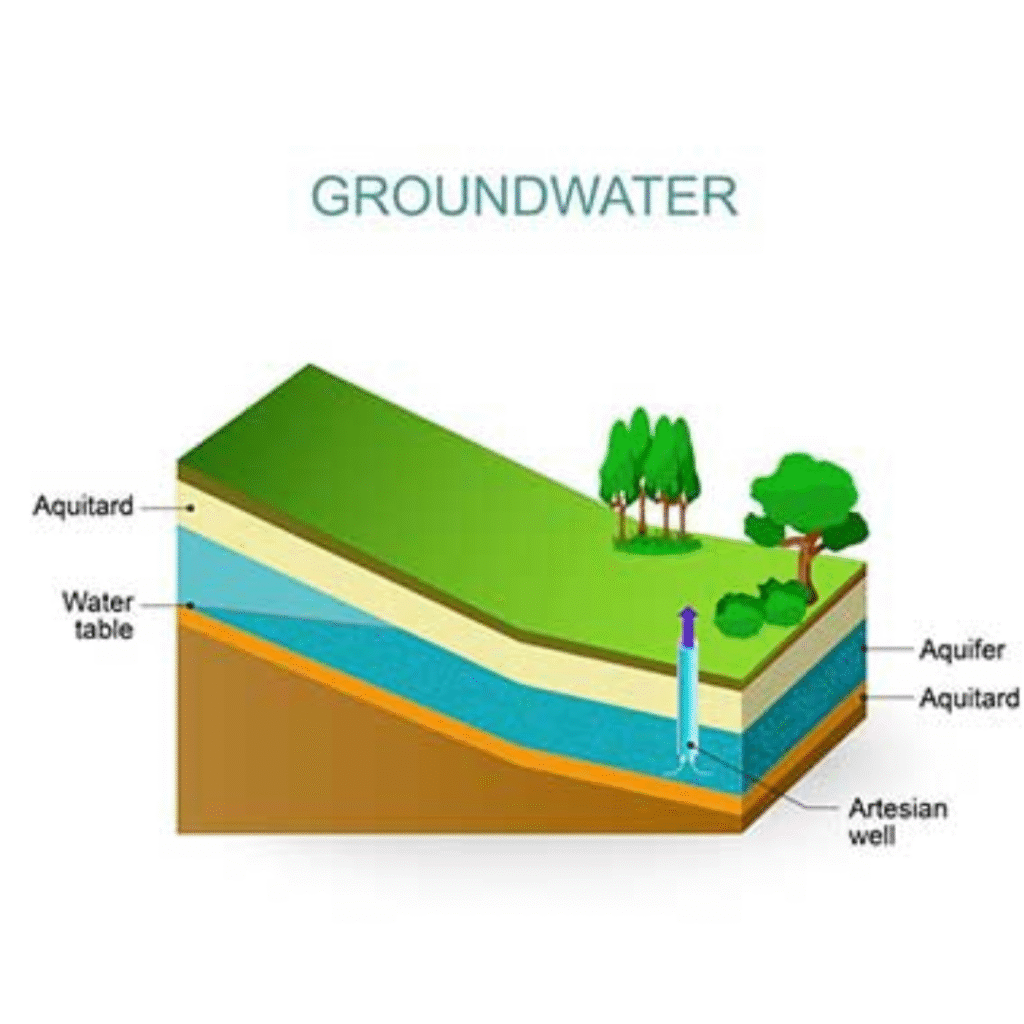
Pertains to regulations on extracting and using groundwater resources.
Requires permits for drilling wells and limits on water extraction to prevent depletion.
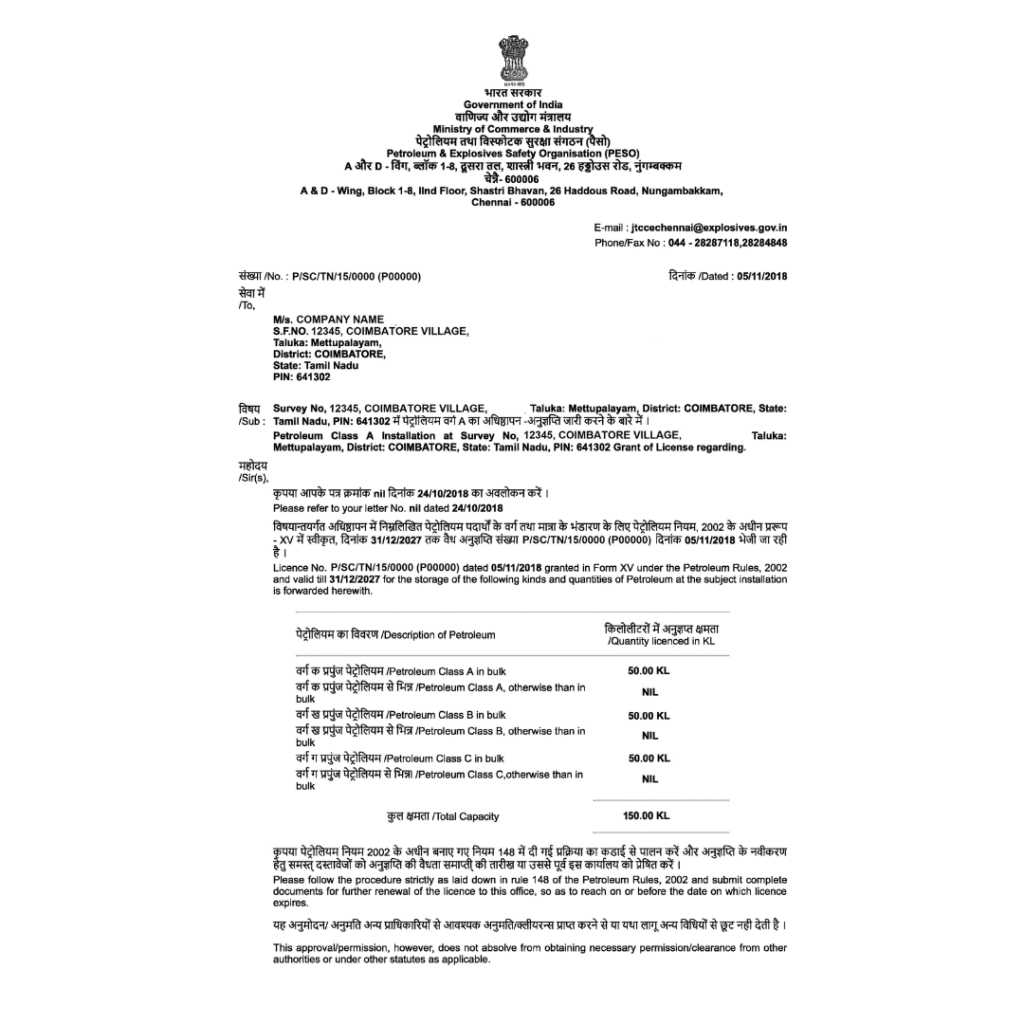
Permission required for storing, transporting, or selling petroleum products.
Ensures safety standards are met in handling potentially hazardous fuel materials.

Official approval needed before starting projects that may impact the environment.
Involves assessing and minimizing a project's environmental effects.
An environment statement is a formal declaration or document that outlines an organization’s, project’s, or individual’s commitment to environmental responsibility.
It typically includes various critical compliance components.

The environment return of an organization is a report detailing its environmental performance, impacts, and compliance with relevant regulations, demonstrating its commitment to sustainability and environmental stewardship.
It includes metrics on resource usage, waste management, emissions, and initiatives for environmental improvement.